

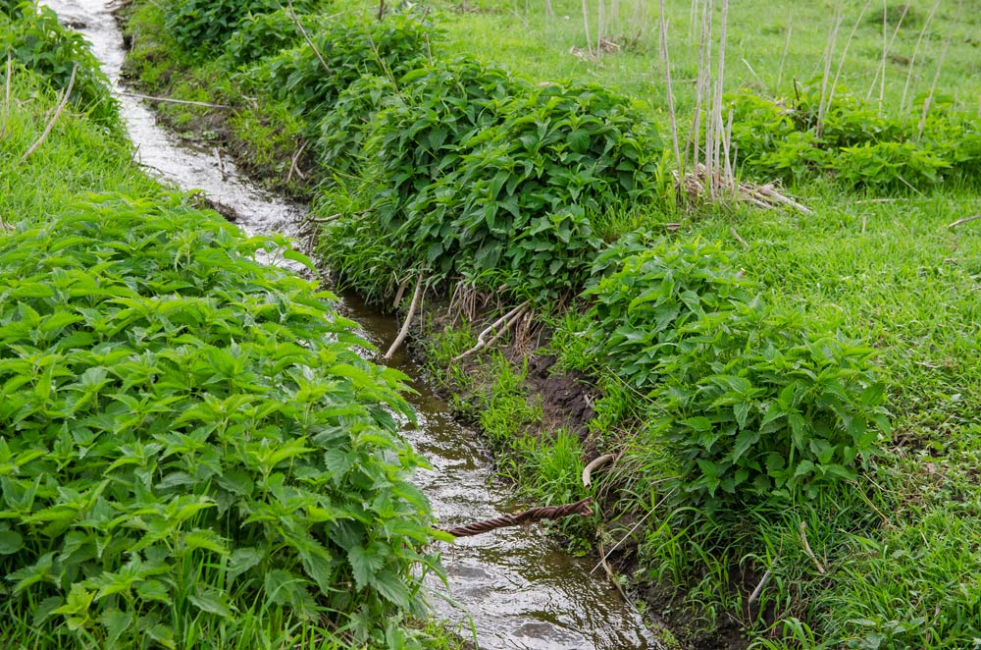
Plant uptake is the process by which plants absorb water, nutrients, and certain contaminants from the soil or water through their root systems and incorporate those substances into their tissues for growth and metabolic functions. In stormwater management, plant uptake is a key biological mechanism that contributes to pollutant removal and overall water quality improvement.
Water and dissolved substances enter plant roots primarily through passive and active transport processes. Nutrients such as nitrogen, often in the form of nitrate or ammonium, and phosphorus as orthophosphate, are taken up and used to support plant growth. As stormwater infiltrates into vegetated systems, dissolved pollutants in the water can be absorbed along with these nutrients.
Plant uptake plays an important role in reducing nutrient loading in stormwater systems. By assimilating nitrogen and phosphorus into plant biomass, vegetation helps limit the amount of these nutrients that would otherwise be transported to downstream water bodies, where they could contribute to eutrophication and harmful algal blooms. Some plants can also take up trace metals and certain organic contaminants, although this varies depending on plant species and pollutant type.
In addition to direct uptake, plants influence the surrounding soil environment in ways that enhance treatment. Root systems improve soil structure and create pathways for infiltration, while also supporting microbial communities that further transform pollutants. The presence of vegetation increases evapotranspiration, reducing the overall volume of stormwater and concentrating treatment processes within the soil.
Plant uptake is a central component of many green infrastructure practices, including bioretention systems, vegetated swales, constructed wetlands, and infiltration basins. Its effectiveness depends on factors such as plant species, root depth, growth rate, seasonal activity, and the availability of nutrients and moisture.
Therefore, plant uptake is both a removal and transformation pathway, as pollutants are not simply captured but incorporated into living biomass, temporarily or permanently reducing their mobility and bioavailability within the stormwater system.