

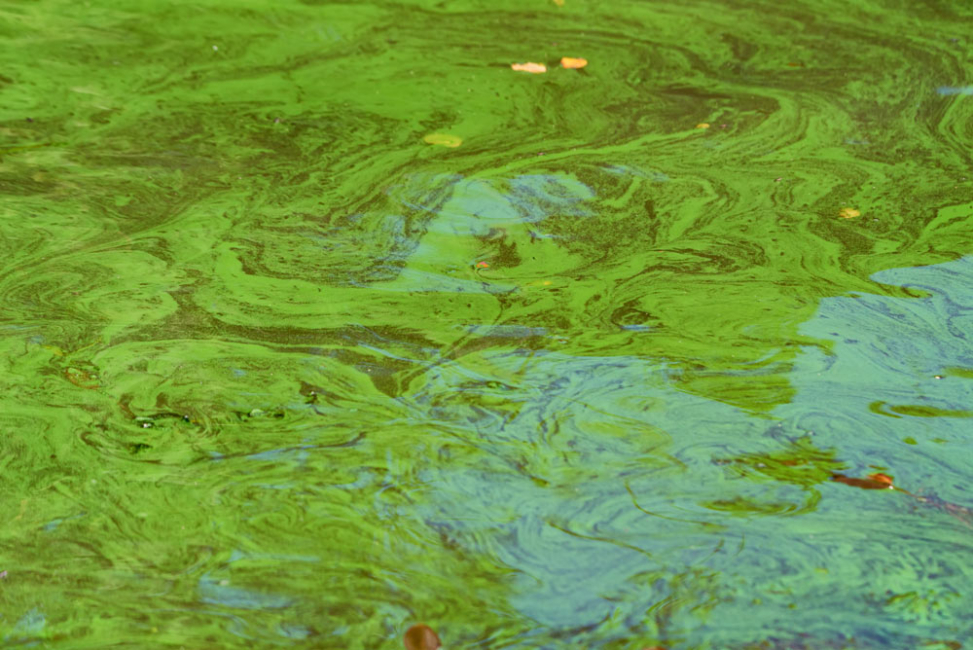
Harmful algal blooms (HABs) are rapid and excessive growths of algae or cyanobacteria in water bodies that produce toxins or otherwise cause detrimental effects to aquatic ecosystems, human health, and water quality. In stormwater management and watershed science, harmful algal blooms are most commonly associated with nutrient enrichment, particularly nitrogen and phosphorus, which drive processes such as eutrophication.
HABs occur when environmental conditions favor accelerated algal growth, including high nutrient concentrations, warm temperatures, ample sunlight, and relatively stagnant or slow-moving water. These conditions are often found in lakes, ponds, reservoirs, and slow-flowing rivers, especially where stormwater runoff delivers elevated nutrient loads from sources such as fertilizers, agricultural land, and urban areas.
While not all algal blooms are harmful, HABs are distinguished by their negative impacts. Many are caused by cyanobacteria, also known as blue-green algae, which can produce potent toxins that affect the liver, nervous system, or skin of humans and animals. Exposure can occur through drinking contaminated water, recreational contact, or ingestion by pets and livestock.
In addition to toxin production, harmful algal blooms can severely degrade water quality. Dense algal growth reduces light penetration, disrupts aquatic plant communities, and, upon decay, leads to oxygen depletion in the water. This can result in hypoxic or anoxic conditions, causing fish kills and loss of aquatic habitat.
From a stormwater management perspective, preventing HABs focuses on controlling nutrient inputs and managing runoff to reduce the delivery of nitrogen and phosphorus to receiving waters. Practices such as erosion and sediment control, nutrient management, vegetated buffers, and stormwater treatment systems are critical for mitigating the conditions that lead to harmful algal blooms.
Simply put, harmful algal blooms represent a significant water quality issue, linking land use practices, stormwater runoff, and ecological health in aquatic systems.