

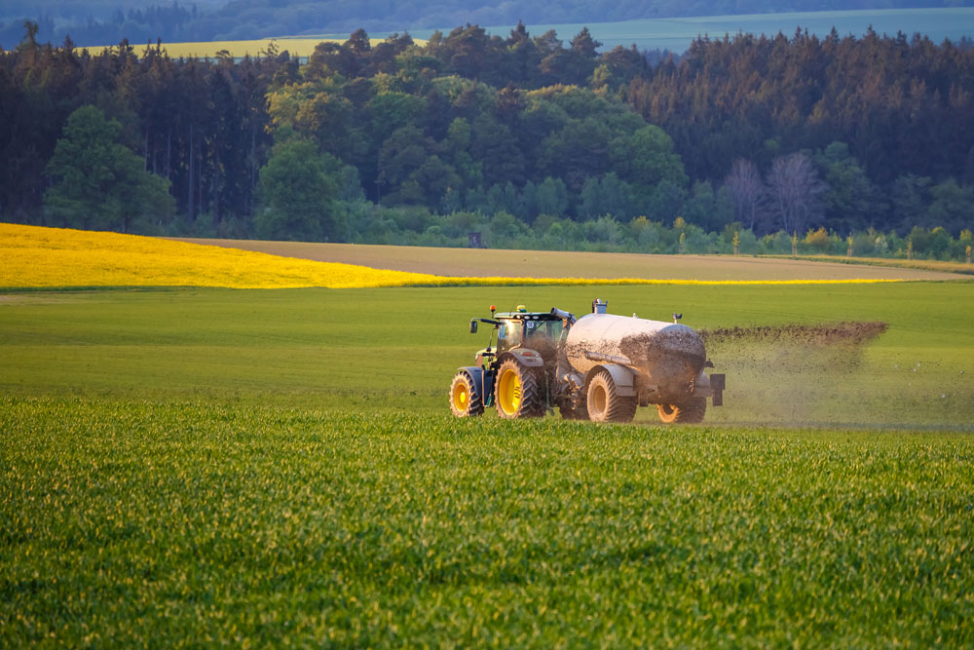
Agricultural runoff is the portion of precipitation, irrigation water, or snowmelt that flows over or through agricultural land surfaces and carries with it soil, nutrients, chemicals, and other pollutants into nearby drainage systems and receiving waters. It is a major category of nonpoint source pollution because it originates diffusely across fields and farm operations rather than from a single, discrete discharge point.
Agricultural runoff occurs when water exceeds the soil’s infiltration capacity or when soils are already saturated, resulting in overland flow. As this water moves across cropland, pastures, and farmsteads, it can entrain and transport a variety of materials. Common constituents include sediment from soil erosion, nutrients such as nitrogen and phosphorus from fertilizers and manure, pesticides and herbicides, pathogens from animal waste, and organic matter.
The transport of these pollutants can have significant impacts on water quality. Sediment can increase turbidity and degrade aquatic habitats, while excess nutrients can contribute to eutrophication in downstream lakes, ponds, and estuaries. Pesticides and pathogens can pose risks to human health and aquatic life.
Agricultural runoff is influenced by factors such as soil type, slope, land management practices, crop type, rainfall intensity, and timing of fertilizer or chemical applications. Poorly managed fields, lack of vegetative cover, and improper nutrient application can increase the potential for runoff and pollutant transport.
In the context of stormwater and watershed management, reducing agricultural runoff involves implementing best management practices (BMPs) that promote infiltration, reduce erosion, and limit pollutant availability. These may include conservation tillage, contour farming, cover crops, buffer strips, nutrient management planning, and controlled drainage systems.
Agricultural runoff represents a significant pathway by which land use activities influence water quality, making it a key focus of nonpoint source pollution control and watershed protection efforts.