

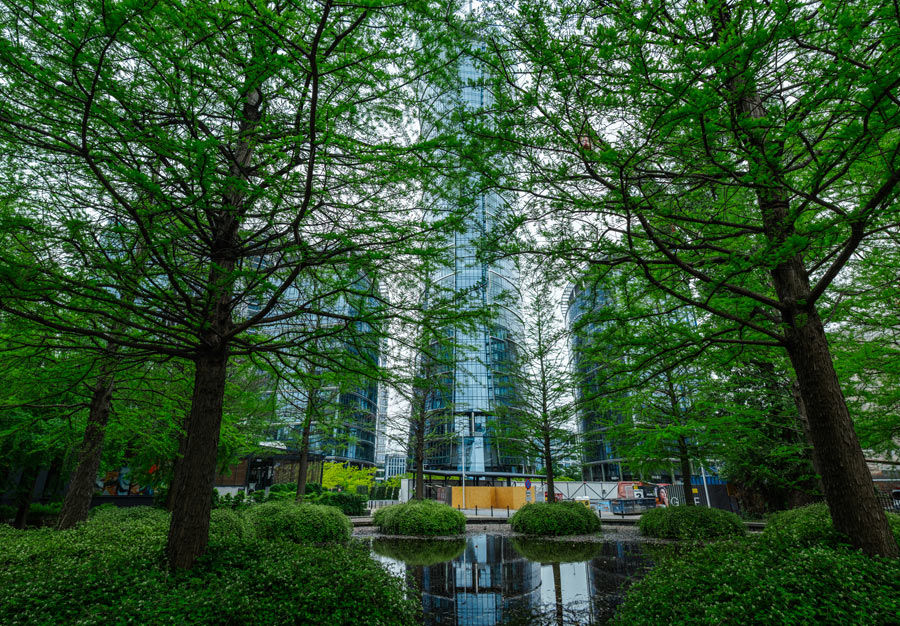
Stormwater management has traditionally focused on one primary goal, moving runoff away from roads, buildings, and neighborhoods as quickly as possible. While this approach successfully reduces flooding, it often leaves behind landscapes dominated by pavement, pipes, and manicured turf that provide little value for wildlife. Green infrastructure offers a different approach. By incorporating vegetation, healthy soils, and natural hydrology into developed areas, communities can manage stormwater while simultaneously creating valuable habitat for plants, insects, birds, amphibians, and other wildlife.
For municipalities, developers, and watershed managers, green infrastructure represents an opportunity to solve multiple environmental challenges with a single investment. Rain gardens, bioswales, constructed wetlands, tree trenches, riparian buffers, and green roofs not only improve water quality and reduce runoff, but they also restore biodiversity that has often been lost through urban development.
Biodiversity refers to the variety of living organisms within an ecosystem, including plants, animals, fungi, and microorganisms. Healthy, diverse ecosystems are generally more resilient to environmental disturbances such as floods, droughts, invasive species, pollution, and climate change. Communities that support greater biodiversity often experience numerous environmental benefits, including improved water quality through natural filtration, increased pollination of native plants and community gardens, better natural pest control from birds and beneficial insects, healthier soils with active microbial communities, improved carbon storage, and greater resilience following severe weather events. These ecological services reduce the need for costly maintenance and restoration efforts while creating healthier, more attractive places to live.
Urban development typically replaces forests, wetlands, and meadows with rooftops, roads, parking lots, and compacted lawns. Green infrastructure helps reverse this trend by introducing patches of habitat throughout developed landscapes. Even relatively small installations can become important refuges for wildlife. A rain garden planted with native flowers may support dozens of pollinator species. A bioswale along a roadway can provide shelter for butterflies and beneficial insects while filtering runoff. A green roof can serve as a resting location for migrating birds and an important nectar source for native bees. Although individual installations may be modest in size, collectively they create a network of habitat across an entire community.
One of the greatest challenges facing wildlife in developed areas is habitat fragmentation. Small, isolated patches of vegetation often cannot support healthy populations because animals struggle to move safely between them. Green infrastructure helps reconnect these fragmented landscapes. Street trees, vegetated swales, riparian buffers, pocket parks, and roadside plantings can function as ecological corridors, allowing birds, insects, amphibians, and small mammals to travel between larger habitat areas. These connections improve genetic diversity by allowing populations to intermingle rather than becoming isolated. For pollinating insects such as native bees and butterflies, these connected landscapes can mean the difference between thriving populations and gradual decline.
Stormwater runoff often carries sediment, nutrients, road salt, heavy metals, oils, fertilizers, and other pollutants directly into streams, ponds, and lakes. These pollutants degrade aquatic habitat and reduce biodiversity. Green infrastructure improves water quality by slowing runoff and allowing pollutants to settle or be filtered by vegetation and soil before reaching waterways. Cleaner water benefits a wide range of aquatic organisms, including fish, freshwater mussels, amphibians, aquatic insects, and the countless microorganisms that form the foundation of healthy stream ecosystems. Vegetated riparian buffers are particularly valuable because they stabilize streambanks, reduce erosion, lower water temperatures through shading, and intercept pollutants before they reach the channel.
Urban environments are often significantly warmer than surrounding rural landscapes because pavement and buildings absorb and radiate heat. This phenomenon, known as the urban heat island effect, can stress both wildlife and vegetation. Trees, shrubs, wetlands, and other green infrastructure practices help moderate local temperatures through shade and evapotranspiration. These cooler, more humid environments create important refuge areas for many species during periods of extreme summer heat. Cooler water entering streams also reduces thermal pollution, which can be especially harmful to cold-water fish and aquatic insects.
Native pollinators have experienced widespread declines due to habitat loss, pesticide use, and disease. Green infrastructure can help reverse this trend by incorporating diverse native flowering plants that bloom throughout the growing season. Rain gardens, bioswales, tree pits, and pollinator meadows planted with regionally appropriate species provide nectar, pollen, nesting materials, and shelter for bees, butterflies, moths, hoverflies, and other beneficial insects. Because these practices are distributed throughout developed areas, they also create "stepping stones" that allow pollinators to move safely across urban landscapes.
Native plants form the backbone of successful biodiversity-focused green infrastructure. Unlike many ornamental species, native plants evolved alongside local insects, birds, and other wildlife. They provide the specific food sources and habitat conditions that many species require throughout their life cycles. Planting a diverse mix of native grasses, sedges, wildflowers, shrubs, and trees also creates habitat at multiple heights, increasing the number of ecological niches available for wildlife. Greater plant diversity generally supports greater insect diversity, which in turn supports healthier bird populations and more complex food webs.
Stormwater practices can be designed to maximize ecological benefits without sacrificing drainage performance. Features that improve biodiversity include varied vegetation layers, native plant communities, gently sloping side banks, shallow pools or seasonally wet areas, coarse woody debris where appropriate, healthy soils rich in organic matter, and connected green corridors between installations. These design elements create habitat complexity that supports a broader range of species while maintaining the primary stormwater management function.
Communities increasingly evaluate green infrastructure by more than just the amount of stormwater it captures. Indicators of ecological success may include increases in native plant diversity, pollinator abundance, bird populations, amphibian breeding activity, aquatic macroinvertebrate diversity, improvements in stream water quality, reductions in invasive species, and healthier soils.
Citizen science programs can also play an important role. Volunteers using platforms such as iNaturalist or participating in local bird counts and pollinator surveys can help municipalities monitor long-term ecological improvements while building community support for green infrastructure projects.
Green infrastructure demonstrates that stormwater management and environmental conservation do not have to compete with one another. When thoughtfully designed, practices such as rain gardens, bioswales, tree trenches, constructed wetlands, riparian buffers, and green roofs become more than drainage features. They become living ecosystems that support biodiversity while improving water quality, reducing flooding, cooling urban environments, and enhancing community resilience.
Every individual installation may seem small, but together they create interconnected networks of habitat that strengthen both natural ecosystems and the communities that depend on them.