Articles Tagged: Stormwater Systems

The Value of Vigilance: How Road Crews Prevent Culvert Failures Before They Happen

The Value of Vigilance: How Road Crews Prevent Culvert Failures Before They Happen

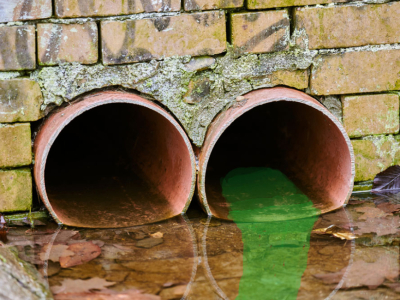
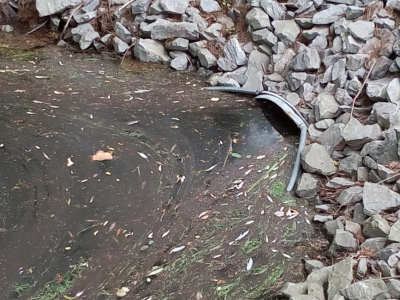
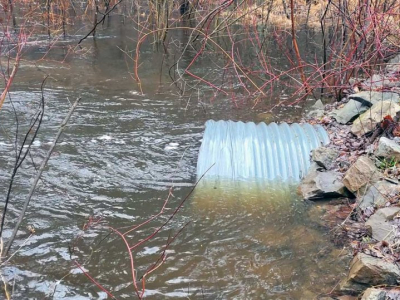
In stormwater management, some of the most serious failures begin as subtle warning signs that are easy to overlook unless someone is paying close attention. A cross culvert that appears nearly full on a dry day, with no recent rainfall to explain elevated water levels, is one of those warning signs…

continue
How Stormwater Runoff Causes Fish Kills: Mechanisms, Pollutants, and Environmental Impacts

How Stormwater Runoff Causes Fish Kills: Mechanisms, Pollutants, and Environmental Impacts

Stormwater runoff can cause fish kills through a combination of physical, chemical, and biological mechanisms that alter aquatic environments beyond the tolerance limits of fish and other aquatic organisms. These impacts are often rapid, episodic, and closely tied to precipitation events, especially…

continue
Small Streams, Big Consequences: Why Culvert Replacement Requires More Than a Pipe Swap

Small Streams, Big Consequences: Why Culvert Replacement Requires More Than a Pipe Swap

Across towns and counties, road departments replace cross culverts every day. The motivation is usually sound. Aging pipes fail without warning, and a collapse beneath the roadway can create a serious safety hazard, not to mention an expensive emergency repair. Proactive replacement is responsible a…

continue
Street Sweeping and MS4 Compliance: The Quiet Work That Protects Our Waters

Street Sweeping and MS4 Compliance: The Quiet Work That Protects Our Waters

Street sweeping rarely gets much attention. It is slow, repetitive work, often done in the early morning hours, and the equipment itself can be temperamental and expensive to maintain. Sweepers are subject to constant wear, from abrasive debris, dust, and the mechanical strain of brushes, conveyors,…

continue
Why Some Roads Have “Wings”: Rethinking How We Move Stormwater

Why Some Roads Have “Wings”: Rethinking How We Move Stormwater

*Author's note: The primary image paired with this article depicts a road with a paved wing - Richmond Hill Drive in Queensbury, NY, to be precise - while flooded during a pre-thaw heavy rain event. A winged road with adequate drainage would not normally retain that amount of stormwater. If you …

continue
CCTV Drainage Inspection Services: What They Involve and Why Municipalities Use Them

CCTV Drainage Inspection Services: What They Involve and Why Municipalities Use Them

Closed-circuit television, or CCTV, drainage inspection has become one of the most effective tools available to municipalities for understanding the true condition of their buried stormwater infrastructure. Unlike surface inspections, which can only reveal limited information, CCTV inspections provi…

continue
Infiltration BMP Inspections After Major Storms – A 24-Hour Checklist

Infiltration BMP Inspections After Major Storms – A 24-Hour Checklist

Infiltration-based best management practices, or BMPs, are designed to capture, store, and gradually infiltrate stormwater into the ground. These systems, which include bioretention basins, infiltration trenches, dry wells, and porous pavement systems, are particularly vulnerable during and immediat…

continue
The Hidden Costs of Fire Hydrant Flushing: Understanding the Negative Impacts

The Hidden Costs of Fire Hydrant Flushing: Understanding the Negative Impacts

Fire hydrant flushing is a common and often necessary practice for maintaining water distribution systems. Municipalities flush hydrants to remove sediment, verify system performance, and ensure adequate flow for firefighting. While these objectives are important, the practice can carry a range of u…

continue
Stormwater Asset Management and MS4 Compliance - Connecting the Dots

Stormwater Asset Management and MS4 Compliance - Connecting the Dots

Municipal Separate Storm Sewer System programs, commonly referred to as MS4 programs, are often viewed as regulatory obligations, while stormwater asset management is treated as an operational necessity. In reality, these two efforts are deeply interconnected. When properly aligned, a strong asset m…

continue
Installing a Catch Basin: A Step-by-Step Guide

Installing a Catch Basin: A Step-by-Step Guide

Is a Catch Basin Appropriate Here? Before a catch basin is installed, it is important to step back and ask a simple but often overlooked question, what purpose is it actually going to serve at this location? Catch basins are frequently installed out of habit or because “there has always been o…

continue
Sediment Build-Up and Its Effects on Water Quality and Habitat

Sediment Build-Up and Its Effects on Water Quality and Habitat

A Look at the English Brook Delta in Lake George, New York Sediment is a natural part of any water system, but when it accumulates faster than a system can handle, it begins to change the waterbody in ways that are both visible and subtle. Excess sediment alters water clarity, transports nutrients, …

continue
Planning Ahead: Managing Stormwater Infrastructure Before It Fails

Planning Ahead: Managing Stormwater Infrastructure Before It Fails

Municipal stormwater systems tend to operate quietly in the background, doing their job year after year with little attention. Pipes carry flows, culverts pass streams beneath roads, catch basins collect runoff, and ditches guide water away from infrastructure. Because these systems are largely out …

continue