Road Salt Reduction

Tracking Salt Use with a Telematics Dashboard

Tracking Salt Use with a Telematics Dashboard

How data-driven winter operations cut chloride, costs and compliance risk Why tracking matters Road salt protects drivers, yet the same chloride that melts ice can accumulate in lakes, drinking-water wells and public infrastructure. The Adirondack Road Salt Reduction Task Force warns that “mig…

continue
Salt Brine Mixers & Calibrations - A Quick-Start Checklist for DPW Crews

Salt Brine Mixers & Calibrations - A Quick-Start Checklist for DPW Crews

Producing the right salt-brine mix, then applying it with properly calibrated equipment, is one of the fastest ways a Department of Public Works can lower winter-maintenance costs, reduce corrosion on infrastructure, and cut chloride runoff. The good news: you do not need a lab or a six-figure budge…

continue
Cutting Chloride: How the Northeast Is Scaling Back Road Salt

Cutting Chloride: How the Northeast Is Scaling Back Road Salt

Road salt keeps winter roads passable, but the sodium and chloride left behind threaten drinking-water wells, freshwater lakes, and roadside ecosystems. Over the past decade, and especially since 2023, Northeastern states have launched an array of legislative, technical, and educational initiatives …

continue
Exploring Road Deicing Alternatives to Rock Salt

Exploring Road Deicing Alternatives to Rock Salt

During the winter months, keeping roadways safe from ice and snow is a top priority for highway departments and municipalities. For decades, rock salt (sodium chloride) has been the standard go-to for deicing roads - it’s inexpensive, readily available, and effective at melting ice. However, h…

continue
The Hidden Cost of Winter Roads

The Hidden Cost of Winter Roads

How Road Salt Pollutes Waterways During winter months, road salt is a crucial tool for ensuring safe travel on icy and snowy roads. However, its widespread use comes with a significant environmental cost. Road salt significantly contributes to water pollution by elevating chloride levels in surface …

continue
Revisiting Beet Juice, Cheese Brine, and Other Organics

Revisiting Beet Juice, Cheese Brine, and Other Organics

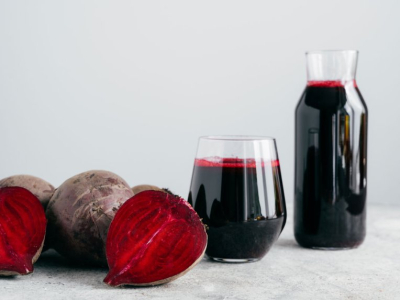
Road-salt use in North America has climbed steadily for decades, yet the chlorides that keep winter roads safe also corrode bridges, shorten pavement life, and push freshwater streams toward brackish conditions. In Wisconsin, state water-quality staff warn that a single teaspoon of salt can permanen…

continue
Smart Strategies for Safer Roads and Cleaner Water

Smart Strategies for Safer Roads and Cleaner Water

Winter maintenance crews face a difficult balancing act. Roads must remain safe and passable during snow and ice events, but the materials used to achieve that safety can have significant and long-lasting impacts on local waterways, groundwater supplies, soils, vegetation, and stormwater infrastruct…

continue
Champions of Change: Organizations Leading the Movement to Reduce Road Salt Use

Champions of Change: Organizations Leading the Movement to Reduce Road Salt Use

Across the northern United States, winter road maintenance presents a difficult balance between public safety and environmental protection. For decades, highway departments have relied heavily on road salt to keep roads clear, yet growing evidence shows that excess salt use is contaminating drinking…

continue