Green Infrastructure

From Pipes to Plants: How Cities Transition Stormwater Budgets to Nature-Based Solutions

From Pipes to Plants: How Cities Transition Stormwater Budgets to Nature-Based Solutions

For much of the last century, stormwater management followed a simple philosophy: collect runoff as quickly as possible and move it downstream through pipes, ditches, culverts, and channels. Success was often measured by how rapidly water could be removed from streets and developed areas. That appro…

continue
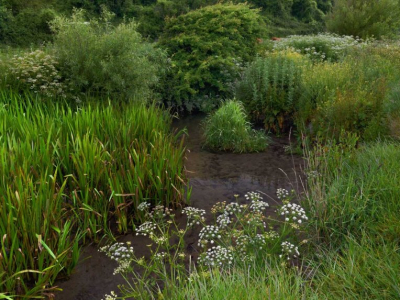
Key Design Elements of a Rain Garden and Why They Matter

Key Design Elements of a Rain Garden and Why They Matter

Rain gardens are among the most recognizable and effective forms of green infrastructure. Although they often resemble attractive landscaped planting beds, a properly designed rain garden is a carefully engineered stormwater management system. Every component, from the shape of the basin to the soil…

continue
How Green Infrastructure Supports Biodiversity in Urban Stormwater Systems

How Green Infrastructure Supports Biodiversity in Urban Stormwater Systems

Stormwater management has traditionally focused on one primary goal, moving runoff away from roads, buildings, and neighborhoods as quickly as possible. While this approach successfully reduces flooding, it often leaves behind landscapes dominated by pavement, pipes, and manicured turf that provide …

continue
Floating Wetlands: A Versatile Tool for Cleaner Water and Healthier Urban Ecosystems

Floating Wetlands: A Versatile Tool for Cleaner Water and Healthier Urban Ecosystems

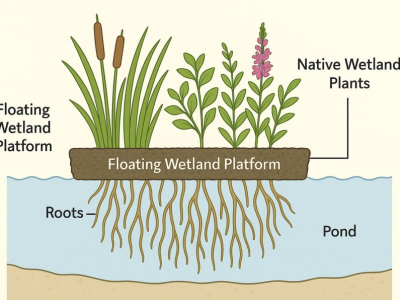
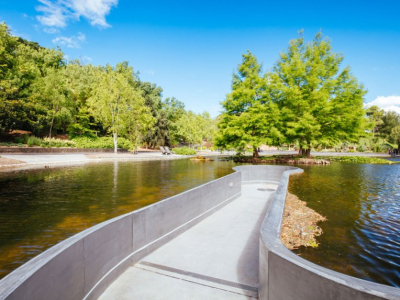
Floating wetlands are emerging as an innovative and increasingly popular tool for improving water quality in stormwater systems, ponds, and urban waterways. By replicating many of the functions of natural wetlands without requiring extensive excavation or shoreline restoration, these systems offer m…

continue
What Is a Bioswale and How Does It Work?

What Is a Bioswale and How Does It Work?

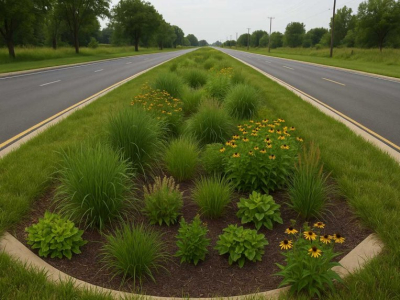
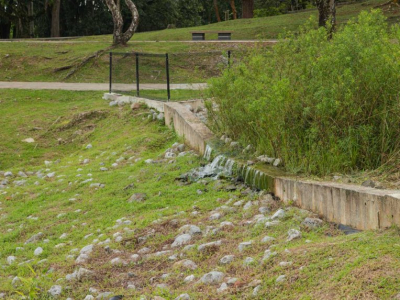
As communities look for sustainable ways to manage stormwater, bioswales have become one of the most effective and visually appealing tools in the green infrastructure toolbox. They blend natural processes with engineered design to slow, filter, and infiltrate stormwater before it reaches local wate…

continue
Bioswale Maintenance 101: Keeping Green Infrastructure Working

Bioswale Maintenance 101: Keeping Green Infrastructure Working

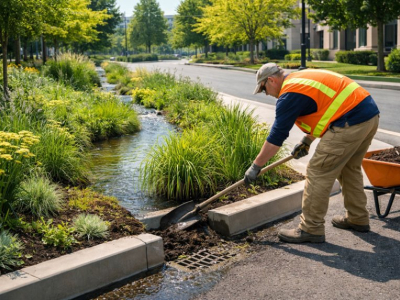
Bioswales have become an increasingly common component of modern stormwater management systems. Found along roadways, in parking lots, within subdivisions, and around commercial developments, these vegetated channels are designed to slow runoff, capture sediment and pollutants, promote infiltration,…

continue
Key Elements of Green Infrastructure: An In-Depth Overview

Key Elements of Green Infrastructure: An In-Depth Overview

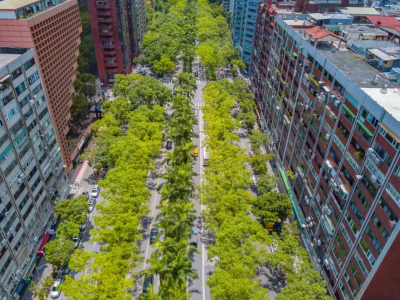
Green infrastructure has become one of the most effective approaches for managing stormwater while improving the health and resilience of our communities. Rather than relying solely on traditional "gray" infrastructure such as pipes, culverts, and concrete channels to move stormwater downs…

continue
Retrofit Playbook: Turning Vacant Lots into Stormwater Parks

Retrofit Playbook: Turning Vacant Lots into Stormwater Parks

Vacant lots are often viewed as liabilities. They collect litter, generate complaints, require mowing, and contribute little to the surrounding community. From a stormwater perspective, however, these underutilized parcels represent something else entirely: opportunity. Many vacant lots occupy strat…

continue
The Power of Riparian Buffers: Natural Defenders of Watershed Health

The Power of Riparian Buffers: Natural Defenders of Watershed Health

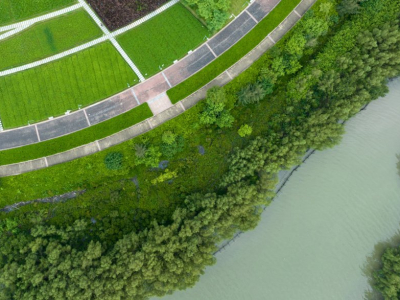
Riparian buffers, vegetated zones that line the banks of rivers, streams, wetlands, and lakes, play an essential role in protecting water resources. For communities focused on watershed health, MS4 compliance, or sustainable land management, these buffers offer a natural, cost-effective solution to …

continue