

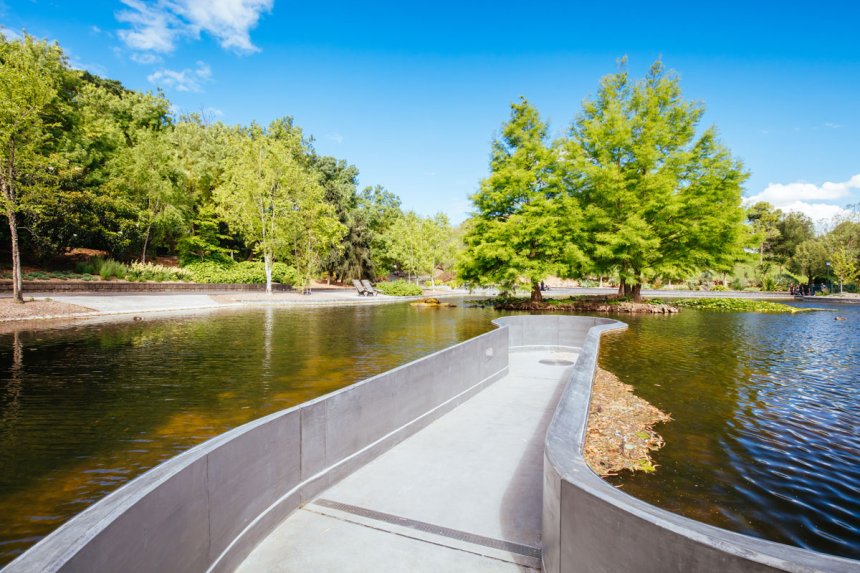
Vacant lots are often viewed as liabilities. They collect litter, generate complaints, require mowing, and contribute little to the surrounding community. From a stormwater perspective, however, these underutilized parcels represent something else entirely: opportunity. Many vacant lots occupy strategic locations within a watershed, often sitting at low points where runoff naturally collects. Rather than allowing these sites to continue shedding stormwater into already stressed drainage systems, municipalities can retrofit them into stormwater parks that capture runoff, reduce flooding, improve water quality, and provide public amenities at the same time. As communities face aging infrastructure, increasing development pressures, and more intense rainfall events, converting vacant parcels into multifunctional stormwater assets is becoming an increasingly attractive strategy.
Successful stormwater parks begin with an understanding of the larger drainage system. Municipal engineers and planners should evaluate watershed boundaries, contributing drainage areas, existing storm sewer capacity, soil infiltration rates, groundwater conditions, and topography before selecting candidate sites. A small parcel located near the bottom of a drainage basin may provide greater stormwater benefits than a much larger site located upstream. Understanding how water moves through a neighborhood helps identify locations where storage, infiltration, or treatment practices will produce the greatest return on investment. Existing underground utilities, easements, and historical land uses should also be investigated early in the planning process. Former industrial sites, gas stations, and maintenance facilities may require environmental assessments before redevelopment can proceed.
Stormwater infrastructure no longer needs to be hidden underground or fenced off from public use. Modern stormwater parks combine hydraulic performance with recreation, aesthetics, and habitat creation. Depending on site conditions, a stormwater park may include bioswales, rain gardens, infiltration basins, constructed wetlands, detention areas, native plantings, walking paths, benches, educational signage, or open lawn areas that temporarily store stormwater during larger events.
The most successful projects serve multiple purposes simultaneously. During dry weather, the site functions as a neighborhood amenity. During storms, the same landscape quietly becomes part of the community's drainage infrastructure. Designing these systems to safely accommodate occasional flooding is critical. Features that temporarily hold water should be clearly identifiable, safely graded, and designed to drain within acceptable timeframes following storm events.
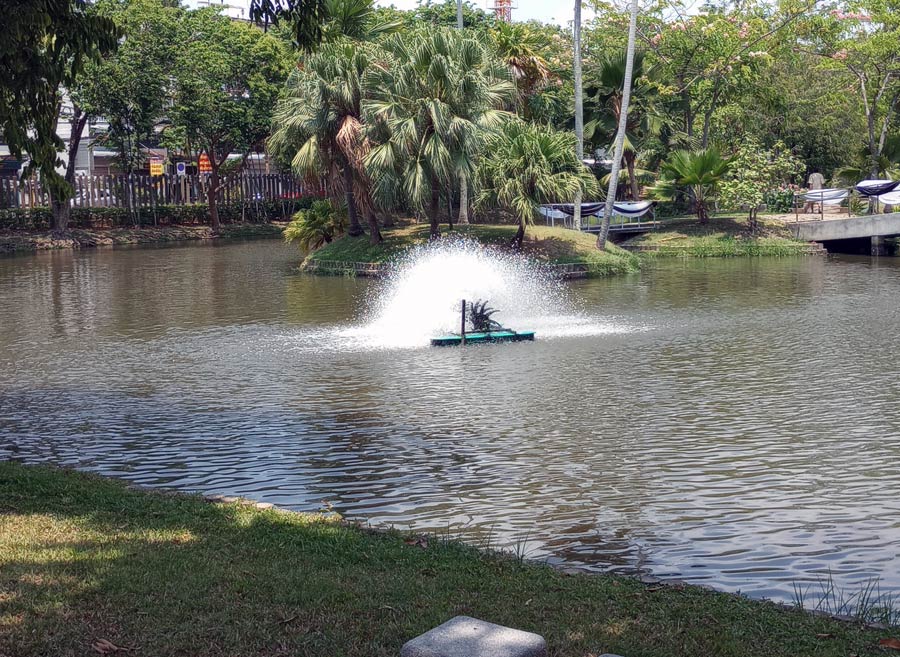
Stormwater parks perform best when they become part of a larger green infrastructure network rather than functioning as isolated projects. Connecting vacant lot retrofits with street trees, bioswales, permeable pavement systems, green streets, and existing drainage corridors can significantly increase overall watershed benefits. Distributed stormwater management practices reduce the burden on conventional storm sewer systems and often improve resilience during extreme rainfall events. Sites located near schools, parks, trails, municipal buildings, or community centers can provide additional educational and recreational value while increasing public visibility and support.
One of the advantages of stormwater park projects is that they often satisfy several municipal objectives simultaneously, allowing multiple funding sources to be combined. Stormwater utility fees, flood mitigation grants, water quality improvement programs, park funding, transportation enhancement grants, and environmental restoration programs may all contribute to project costs depending on the design and intended outcomes. In some communities, partnerships with conservation organizations, watershed groups, land trusts, and volunteer organizations can further reduce costs while increasing community engagement.
Stormwater parks should be designed to manage routine rainfall events efficiently while safely conveying larger storms without causing damage. Features such as forebays, sediment traps, overflow structures, infiltration areas, and emergency spillways help ensure long-term functionality. Multiple treatment zones can improve pollutant removal while reducing maintenance requirements. Designers should also account for changing precipitation patterns and the increasing frequency of intense rainfall events when establishing storage volumes and overflow capacities.
Like all stormwater infrastructure, green infrastructure requires maintenance to remain effective. Sediment removal, vegetation management, inlet inspections, trash removal, erosion repair, and periodic replanting should all be anticipated during project planning and budgeting. Maintenance access for trucks, equipment, and personnel should be incorporated into the design rather than treated as an afterthought. Many otherwise successful green infrastructure projects fail because maintenance responsibilities are unclear or long-term funding was never identified. Creating inspection schedules and maintenance procedures before construction begins helps ensure that stormwater parks continue functioning for decades rather than only a few seasons.
Monitoring and documenting project performance helps justify future investments and improve future designs. Communities may choose to track runoff reduction, peak flow reduction, pollutant removal, groundwater recharge, flood reduction benefits, vegetation establishment, habitat improvements, or maintenance costs. Even simple metrics can help demonstrate the value of these projects to residents, elected officials, and funding agencies. Stormwater parks often provide benefits that extend far beyond drainage improvements, including reduced urban heat island effects, improved aesthetics, increased property values, and enhanced neighborhood identity.
Communities across North America are increasingly transforming underutilized properties into productive stormwater assets. Former industrial parcels have become constructed wetlands that improve water quality before runoff reaches downstream waterways. Demolition sites have been converted into rain gardens and infiltration parks that reduce neighborhood flooding. Vacant urban parcels have been redesigned as community gathering spaces that double as temporary flood storage during heavy rainfall events. These projects demonstrate that even small parcels can provide meaningful stormwater benefits when thoughtfully designed and strategically located.
Every vacant lot represents potential storage volume, infiltration capacity, and water quality treatment waiting to be utilized. As municipalities search for cost-effective ways to manage stormwater, reduce flooding, and improve community resilience, stormwater parks offer a practical and highly visible solution. They transform underused land into working infrastructure while creating amenities that residents can enjoy every day. By approaching vacant parcels as opportunities rather than liabilities, communities can improve both their drainage systems and their neighborhoods at the same time.