Articles Tagged: Stormwater Control Measures

Open Channel Outfalls - Practical Stormwater Treatment for Municipal Systems

Open Channel Outfalls - Practical Stormwater Treatment for Municipal Systems

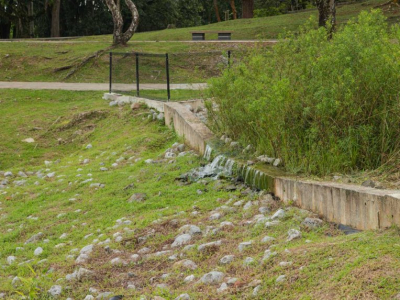
Open channel outfalls occupy a unique space in stormwater infrastructure. They are simple in appearance, often nothing more than a vegetated swale or gently graded channel, yet when properly designed they function as treatment systems, flow control measures, and in northern climates even snow manage…

continue
What Every MS4 Must Map, and Why It Matters for Waterway Protection

What Every MS4 Must Map, and Why It Matters for Waterway Protection

A complete and accurate stormwater map is one of the most important responsibilities for any community that operates as a Municipal Separate Storm Sewer System, or MS4. These maps are not created merely to satisfy a regulatory checkbox. They protect waterways, support field crews, reduce liability, …

continue
Culvert Fundamentals: A Practical Overview for Municipal Stormwater Systems

Culvert Fundamentals: A Practical Overview for Municipal Stormwater Systems

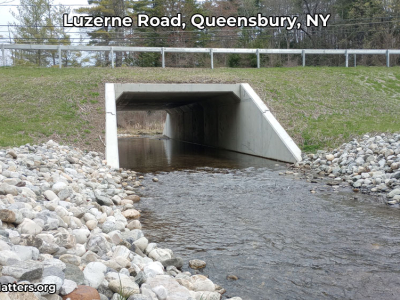
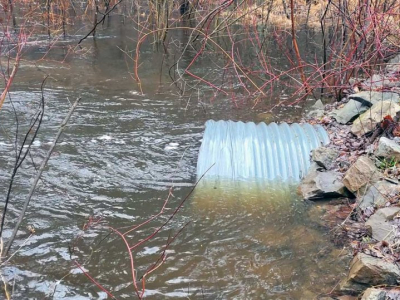
Culverts are enclosed conduits that carry surface water beneath roads, railways, trails, and embankments, allowing drainage and traffic to coexist safely. They form one of the most common, and often most overlooked, structures in municipal stormwater networks. When sized, installed, and maintained c…

continue
Understanding MS4 Expectations for a Complete Stormwater Infrastructure Record

Understanding MS4 Expectations for a Complete Stormwater Infrastructure Record

Municipal Separate Storm Sewer System (MS4) permits rest on a simple idea: you cannot manage what you have not first documented. The Environmental Protection Agency (EPA) defines an MS4 as any publicly owned system of drains, pipes, ditches, or similar conveyances that carries runoff to waters of th…

continue
Protecting and Utilizing Natural Waterways in Stormwater Management Planning

Protecting and Utilizing Natural Waterways in Stormwater Management Planning

Natural streams, creeks, and drainage swales evolved to carry rainfall runoff long before culverts and pipes existed, and they remain one of the most efficient, resilient, and cost-effective elements in any municipal stormwater network. When a community plans for development or retrofit, treating th…

continue
Protecting Special Value and Sensitive Features During Site Development

Protecting Special Value and Sensitive Features During Site Development

Stormwater management succeeds when the landscape itself is considered the first line of defense. Certain parts of that landscape offer outsized benefits or face outsized risks, and thoughtful planning around them is essential. Special Value Features are areas that deliver exceptional stormwater ben…

continue
Understanding Brownfields

Understanding Brownfields

A brownfield is real property whose reuse or redevelopment is complicated by the presence or potential presence of a hazardous substance, pollutant, or contaminant. Congress added this definition to the Comprehensive Environmental Response, Compensation and Liability Act (CERCLA), recognizing that l…

continue
Catch Basins: The First Line of Defense in Municipal Stormwater Management

Catch Basins: The First Line of Defense in Municipal Stormwater Management

Every time rain falls on streets and parking lots, it sweeps grit, trash, and pollutants toward the nearest low point. Catch basins sit at those low points, quietly collecting runoff and helping cities keep roadways safe, pipes clear, and receiving waters cleaner. This article explains how catch bas…

continue
Precast Underground Vaults: How a Deep Sump Turns Runoff into Cleaner Outfall

Precast Underground Vaults: How a Deep Sump Turns Runoff into Cleaner Outfall

What Exactly Is a Precast Underground Vault? A precast vault is a large, reinforced-concrete box or cylinder installed below grade to detain, treat, or both detain and treat stormwater when surface land is scarce. The modules are factory-made for quality control, then craned into an excavated pit an…

continue
Safeguarding Hydric Soils from Stormwater Runoff

Safeguarding Hydric Soils from Stormwater Runoff

Hydric soils, those that form under prolonged saturation and develop anaerobic conditions, are ecological powerhouses. They store carbon, filter pollutants, support wetlands, and buffer floods. Because they are already close to saturation, even modest increases in runoff volume or velocity can trigg…

continue
Understanding Stormwater Outfalls: Types and Their Environmental Impact

Understanding Stormwater Outfalls: Types and Their Environmental Impact

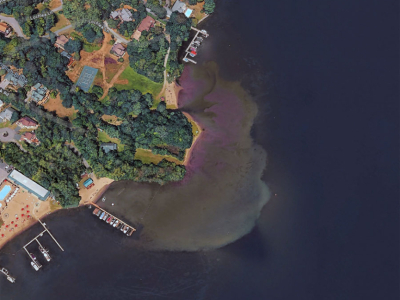
What is a stormwater outfall? A stormwater outfall is the point where a storm-drain system, whether pipes, ditches, or channels, discharges runoff to a receiving water such as a stream, wetland, lake, or the ocean. Regulatory guidance clarifies that simple cross-road culverts, which only pass flow b…

continue
Construction Site Runoff Control: Keeping Sediment, Chemicals, and Fines Out of Your Storm Drains

Construction Site Runoff Control: Keeping Sediment, Chemicals, and Fines Out of Your Storm Drains

(In the photo above, the silt fence has been improperly installed, as you can see it was placed in loose, already excavated, soil.) Why Construction Runoff Matters A single acre of bare earth can release 10 - 20 times more sediment than the same acre in cropland, and up to 2,000 times more than a fo…

continue