

Municipal leaders and highway departments are under constant pressure to maintain aging infrastructure with limited local budgets. Culverts fail, roads deteriorate, and drainage systems quietly reach the end of their useful life, often without the funding needed to address them. Yet, while many municipalities assume they must rely solely on tax revenue or bonding, significant state and federal funding opportunities exist, often going untapped. The missing link is not eligibility, it is awareness and expertise. That is where your engineering partners come in.
Engineering firms operate in a different ecosystem than most public works departments. Firms like C.T. Male Associates are constantly tracking programs such as BRIDGE NY, not out of charity, but because securing funding is good for business and strengthens long-term client relationships. They understand application cycles, eligibility requirements, scoring criteria, and how to position a project for success. Most importantly, they know how to translate a failing piece of infrastructure into a compelling funding narrative.
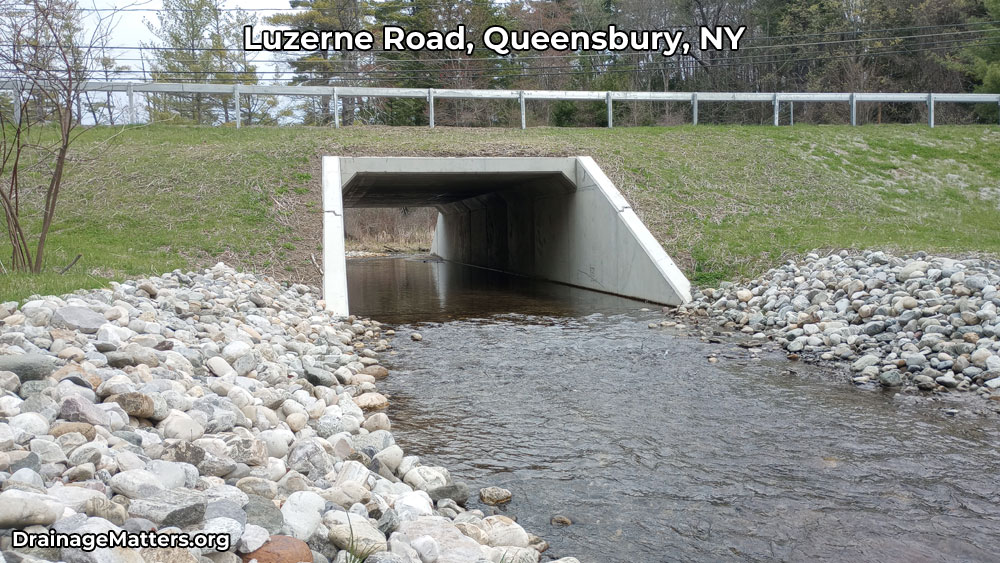
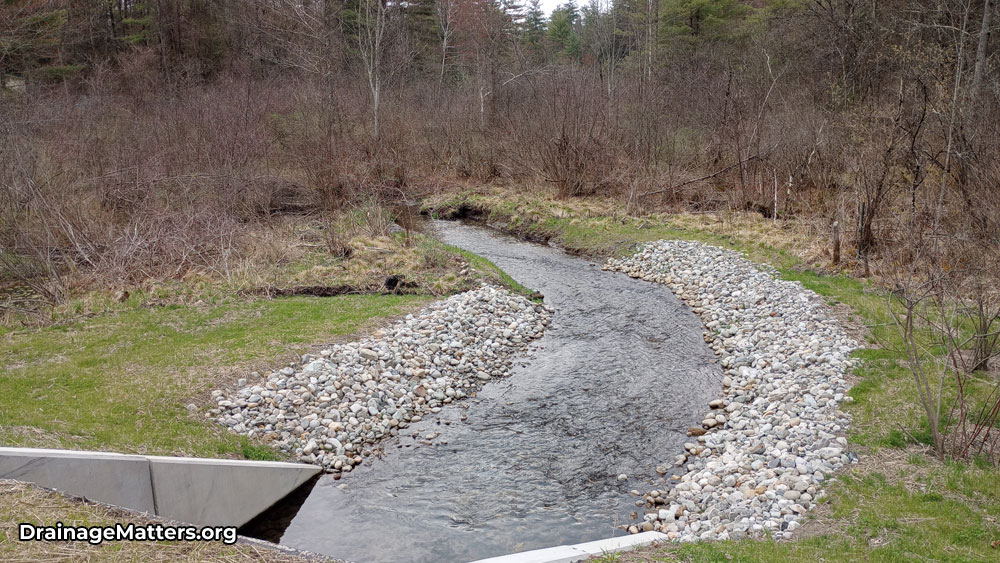
A clear example of this dynamic can be found in the Town of Queensbury, where a deteriorating 1930s-era culvert beneath Luzerne Road, carrying Clendon Brook, had become a growing concern. Like many municipalities, Queensbury could have deferred the project due to cost. Instead, with the involvement of C.T. Male, the town secured $839,000 through the BRIDGE NY program. What followed was not just funding assistance, but a full lifecycle approach. The firm evaluated the structure, prepared the application, and supported the project through design and construction.
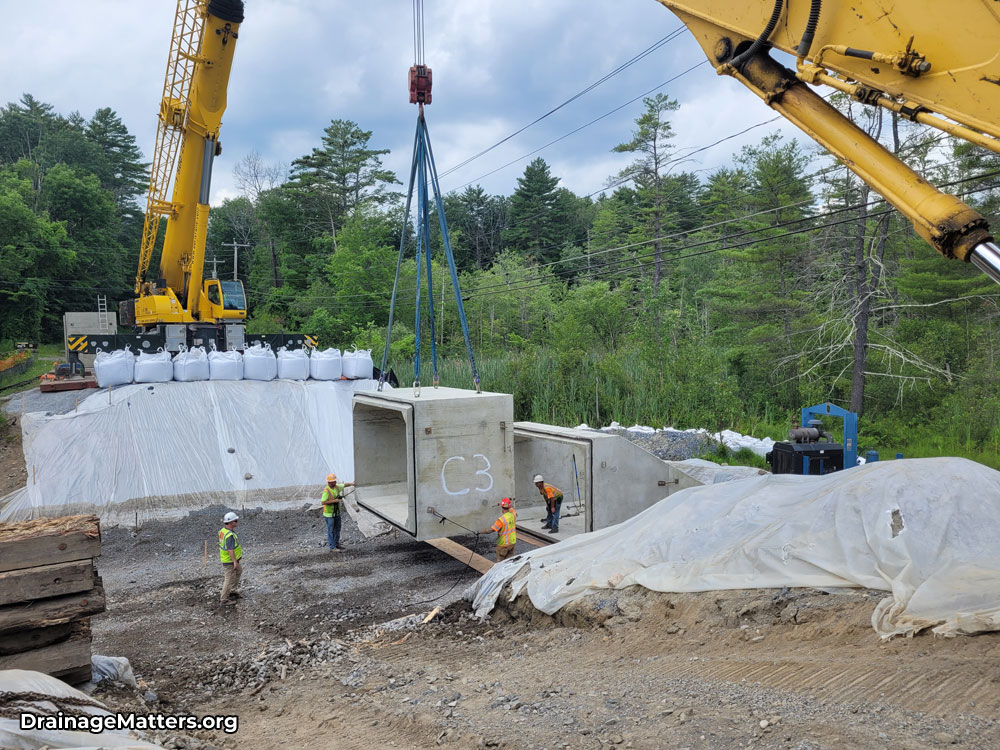
The result was a modern replacement, a 77-foot-long, 12-foot by 8-foot precast concrete culvert, installed in 2024 to improve hydraulic capacity, roadway stability, and long-term resilience. Precast components and wingwalls were manufactured offsite and delivered for installation, streamlining construction and minimizing disruption. This was not just a successful grant application, it was a successful partnership that carried the project from inspection to completion.
Too often, municipalities treat engineering firms as reactive service providers, calling them only when a project is already funded or when a failure becomes unavoidable. This mindset overlooks one of the most valuable services these firms can provide, identifying and securing funding before a project reaches crisis mode. In reality, your engineering consultant can function as an extension of your strategic planning team, helping prioritize assets, identify eligible projects, and align them with available funding streams.
There is also a practical advantage to this approach. Grant applications are time-consuming and technical, often requiring detailed condition assessments, hydraulic analysis, cost estimates, and supporting documentation. For a highway department already stretched thin, assembling a competitive application can be unrealistic. Engineering firms already have the tools, staff, and experience to produce these materials efficiently, and they understand what reviewers are looking for.
For municipalities looking to take a more proactive approach, the first step is simple, start the conversation. Ask your engineering firm what funding programs are currently available. Ask them which of your assets might qualify. Ask them what projects could be positioned for the next round of applications. These conversations often reveal opportunities that would otherwise remain hidden.
It is also worth recognizing that not every project needs to be “shovel-ready” to begin this process. In many cases, early coordination with an engineering firm can help shape a project specifically to meet funding criteria, whether that involves improving hydraulic capacity, addressing resiliency concerns, or incorporating environmental benefits that strengthen the application.
The reality is that funding programs like BRIDGE NY exist precisely to help municipalities address infrastructure challenges like aging culverts and small bridges. The barrier is not eligibility, it is engagement. Municipalities that rely solely on internal awareness will continue to miss opportunities, while those that leverage their engineering partners gain access to a pipeline of potential funding and technical support.
The Luzerne Road culvert replacement is not an outlier, it is a model. It demonstrates what is possible when municipalities view their engineering firms not just as designers, but as partners in funding, planning, and delivery. For towns and cities facing growing infrastructure needs, that shift in perspective can be the difference between deferred maintenance and meaningful progress.
**Authors note: I (Mark De Mers) was deputy highway superintendent for Town of Queensbury, New York during the planning and completion of the Luzerne Road/Clendon Brook culvert project. DrainageMatters.org has no relationship with C.T. Male Associates and I did not contact them for information or assitance with this article. I worked, primarily, from memory and personal involvement with the project. Also, I am no longer employed by the Town of Queensbury as my education and many years of experience precluded me from advancement, obviously.