

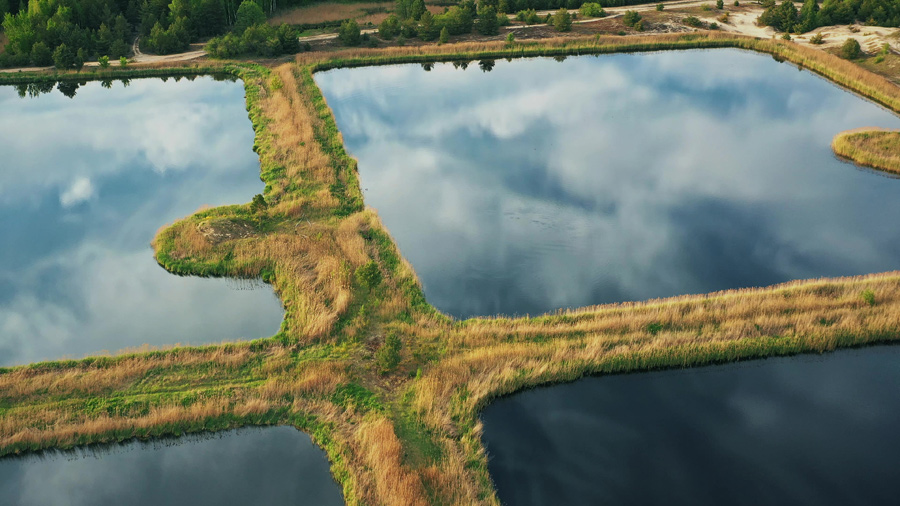
Retention and detention ponds are among the most recognizable features of modern stormwater management systems, yet they are often misunderstood or used interchangeably. While both are designed to manage runoff and protect downstream infrastructure, they serve distinct purposes and function in very different ways. Understanding those differences is critical for municipalities tasked with maintaining them as long-term assets rather than passive landscape features.
A detention pond, sometimes called a dry pond, is designed to temporarily hold stormwater and release it at a controlled rate. During a rain event, runoff flows into the basin, where it is stored for a short period before slowly discharging through an outlet structure such as an orifice, weir, or control riser.
Under normal conditions, a detention pond is typically dry or only holds a small amount of water. Its primary purpose is not to store water long term, but to reduce peak flow rates. By delaying the release of stormwater, detention ponds help prevent downstream flooding, channel erosion, and overloading of culverts and storm sewer systems.
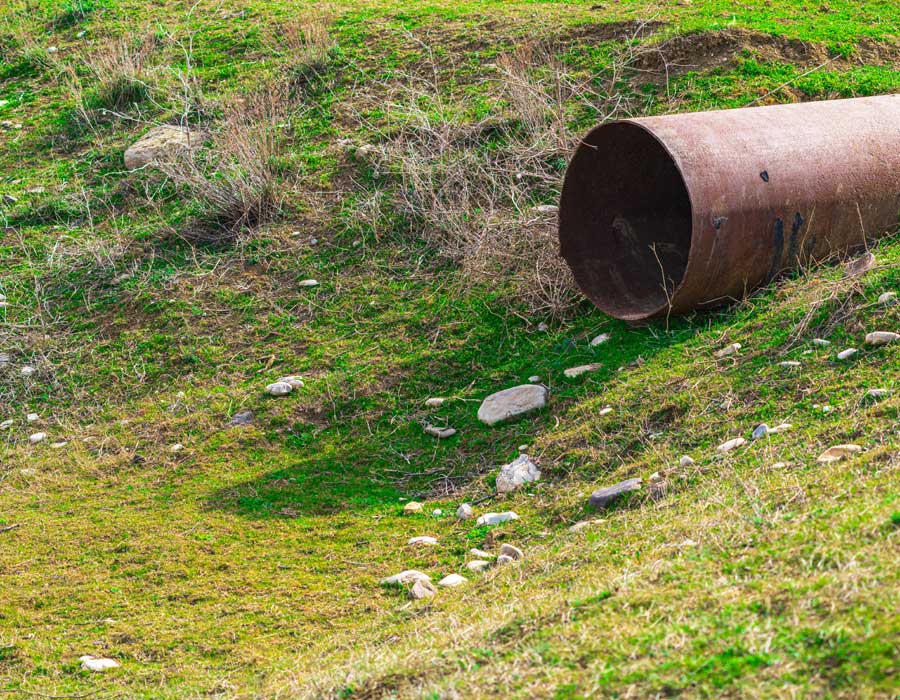
From an asset management perspective, detention ponds are all about flow control. Their effectiveness depends heavily on properly functioning outlet structures, which can easily become clogged with debris or sediment if not regularly inspected.
A retention pond, often referred to as a wet pond, is designed to hold a permanent pool of water. Unlike detention ponds, retention ponds do not empty after a storm. Instead, they maintain a standing water level at all times, with additional storage capacity above that level for storm events.
The key function of a retention pond is water quality treatment. As stormwater enters the pond, sediments settle out, pollutants are filtered by aquatic vegetation, and biological processes help break down contaminants. The extended residence time allows for significantly greater removal of nutrients, heavy metals, and suspended solids compared to detention systems.
Retention ponds also provide some level of peak flow control, but their primary value lies in improving the quality of water before it is discharged into downstream waterways.
The most obvious difference between the two systems is the presence of a permanent water pool. Detention ponds are usually dry between storms, while retention ponds are always wet. This single distinction drives a number of operational and maintenance differences.
Detention ponds prioritize hydraulic performance. Their design focuses on controlling discharge rates and protecting downstream infrastructure from sudden surges. Retention ponds, on the other hand, emphasize pollutant removal and ecological function, often incorporating vegetation and longer storage times.
Maintenance needs also differ. Detention ponds require regular inspection of outlet structures and sediment accumulation near inlets. Retention ponds demand ongoing management of vegetation, algae growth, and sediment buildup within the permanent pool. Both systems can fail if neglected, but they fail in different ways. A clogged detention outlet can lead to upstream flooding, while an overloaded retention pond can lose its ability to treat water effectively.
The decision to use a retention or detention pond depends on site conditions, regulatory requirements, and project goals. In many cases, modern stormwater design incorporates both concepts, sometimes within the same system. For example, a pond may include a permanent pool for water quality treatment combined with additional storage volume to detain larger storm events.
Urban environments with strict water quality standards often favor retention systems, while areas focused on flood control and peak flow reduction may rely more heavily on detention basins. Space constraints, groundwater conditions, and maintenance capacity all play a role in determining the appropriate approach.
Too often, these ponds are treated as background infrastructure, installed during development and then largely ignored. Over time, sediment accumulation, vegetation overgrowth, and neglected outlet structures can significantly reduce their effectiveness.
In the context of stormwater asset management, both retention and detention ponds should be inventoried, inspected, and maintained just like culverts, catch basins, and outfalls. Their performance directly impacts the broader drainage network, influencing everything from localized flooding to downstream water quality.
When properly designed and maintained, these systems are not just regulatory requirements, they are essential tools that shape how communities manage stormwater for decades to come.