

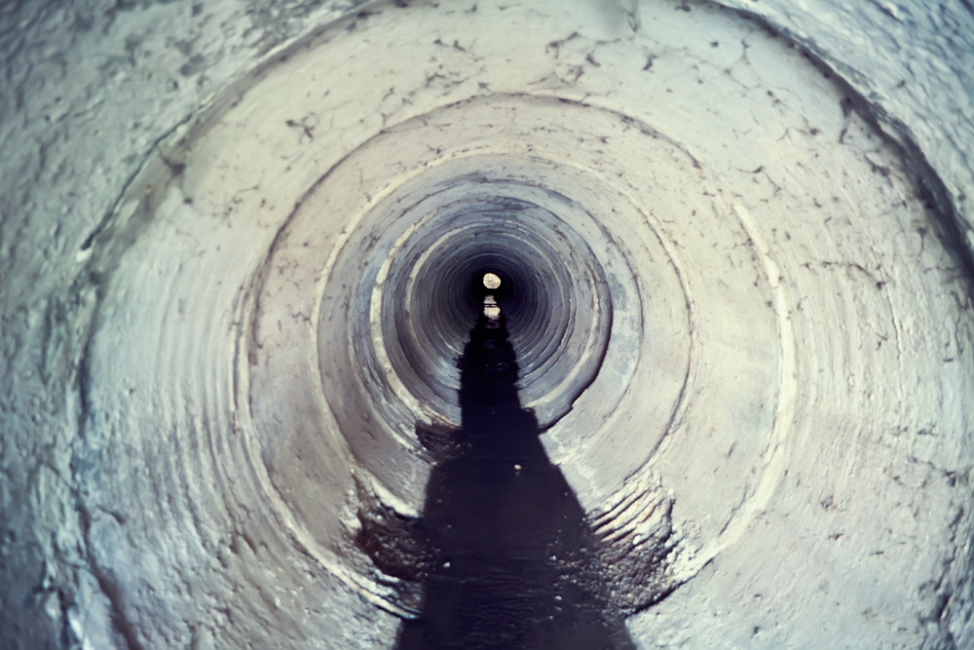
Stormwater outfalls are the final point where a drainage system releases water into a receiving body such as a stream, river, wetland, or lake. Because they sit at the end of the system, they are often overlooked until a visible failure occurs. When an outfall collapses or erodes, the consequences can extend far beyond the pipe itself. Bank failure, sediment loading, damaged infrastructure, and costly emergency repairs frequently follow. For municipalities responsible for hundreds or even thousands of drainage assets, the challenge is not identifying a single failing outfall, but determining which ones demand attention first.
A structured scoring and prioritization system allows public works departments to manage outfalls proactively rather than reactively. Instead of waiting for failures to appear during storms or after complaints, agencies can identify high risk locations early and allocate limited maintenance resources more effectively.
The first step in prioritizing outfalls is developing a reliable inventory. Each outfall should be mapped with a precise location, pipe diameter, material type, receiving waterbody, and surrounding conditions. Many municipalities now use GIS or asset management systems to store this information. Field inspections are equally important. Visual assessments allow inspectors to document signs of deterioration, erosion, structural damage, or sediment buildup. Photographs and condition notes provide valuable documentation for future comparisons.
Once an inventory exists, a condition rating system can be applied. Structural condition is typically the most critical factor. Inspectors should evaluate the pipe end, headwall, apron, and surrounding embankment. Cracked concrete, separated joints, crushed pipe ends, or exposed reinforcing steel indicate that structural integrity may be compromised. Corrugated metal pipes often show corrosion at the invert or seams, while plastic pipes may deform if bedding support has been lost. Each observed issue can be assigned a severity score, creating a consistent method for evaluating condition across the entire system.
Erosion is another major indicator of outfall risk. High velocity discharges can scour soil around the pipe outlet, undercut headwalls, or carve gullies downstream. When erosion progresses upstream toward the pipe, the surrounding embankment may collapse. Inspectors should examine the energy dissipation area immediately beyond the outfall. If riprap protection has been displaced, buried, or washed away, the outfall becomes far more vulnerable to failure during the next large storm.
Hydraulic stress also plays an important role in prioritization. Larger drainage areas generate higher flow volumes, which place greater stress on outlet structures. An outfall that serves a major roadway or large drainage basin may deserve a higher priority simply because of the potential consequences of failure. Evaluating the contributing drainage area, pipe size, and slope can help estimate how much hydraulic force the outfall must regularly withstand.
Environmental sensitivity should also influence prioritization decisions. Outfalls that discharge directly into high value waterbodies or environmentally sensitive areas may require closer monitoring. Sediment releases caused by a failed outfall can damage aquatic habitat, degrade water quality, and trigger regulatory scrutiny. Municipalities located near protected lakes, wetlands, or drinking water sources often assign higher risk scores to outfalls located along these shorelines.
Accessibility and consequence of failure are additional factors worth incorporating into a scoring system. Some outfalls are located in remote wooded areas where minor deterioration may pose little immediate risk. Others sit beneath critical infrastructure such as roads, sidewalks, or utility corridors. If an outfall failure could undermine a roadway embankment or cause a sinkhole near traffic, the consequences become far more severe. These locations typically warrant higher priority even if current structural damage appears modest.
A practical prioritization model often combines several scoring categories, including structural condition, erosion severity, hydraulic demand, environmental sensitivity, and consequence of failure. Each category can be assigned a numerical value, and the total score determines the relative priority for repair or monitoring. Municipalities may tailor these scoring systems to reflect local concerns, available resources, and regulatory obligations.
Routine inspection schedules are essential for keeping these scores accurate. Many agencies inspect outfalls annually, while others focus inspections after major storm events. Changes such as increased erosion, sediment deposition, or new structural cracks can significantly alter an outfall’s risk level. Updating scores regularly ensures that maintenance priorities remain aligned with actual field conditions.
The ultimate goal of a prioritization system is to shift stormwater management away from emergency response and toward preventative maintenance. By identifying vulnerable outfalls early, municipalities can schedule repairs, install additional erosion protection, or redesign outlets before failures occur. The cost difference between a planned repair and a collapsed outfall can be substantial, particularly when downstream environmental damage or roadway repairs are involved.
Outfalls may represent the end of a drainage system, but they are often the beginning of serious infrastructure problems when neglected. A thoughtful scoring and prioritization strategy helps public works departments focus attention where it matters most, protecting both municipal assets and the waterways that receive stormwater runoff.