

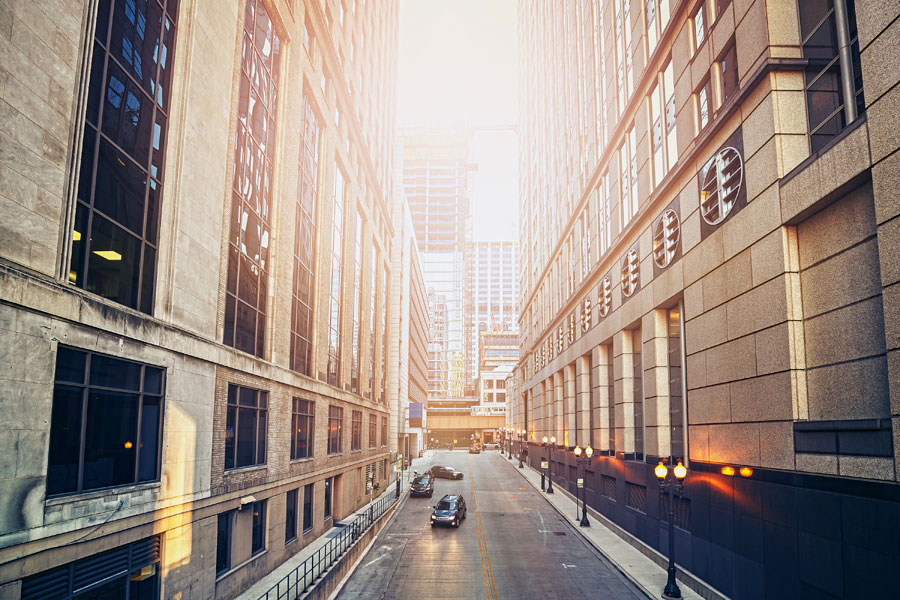
An urban heat island (UHI) is a metropolitan or developed area that experiences significantly higher air and surface temperatures than surrounding rural or undeveloped areas due to human activities and the concentration of heat-absorbing materials such as asphalt, concrete, rooftops, and buildings. The urban heat island effect occurs because these surfaces absorb, store, and slowly release solar energy, causing cities and developed areas to remain warmer during both the day and night.
Urban heat islands are most pronounced in densely developed areas with large amounts of impervious surface cover and limited vegetation. Natural landscapes such as forests, wetlands, grasslands, and agricultural fields cool themselves through shading and evapotranspiration, a process by which plants release water vapor into the atmosphere. Urban environments often lack sufficient vegetation to provide these cooling effects.
Several factors contribute to the development and intensity of urban heat islands. Dark-colored surfaces such as asphalt pavement absorb large amounts of solar radiation and can reach surface temperatures exceeding 140°F (60°C) during summer months. Buildings and pavement also reduce airflow and trap heat within urban "canyons" formed by streets and structures. Additional heat is generated by vehicles, industrial processes, air conditioning systems, and energy consumption within developed areas.
The urban heat island effect can increase average air temperatures in cities by several degrees Fahrenheit compared to nearby rural areas, particularly during calm, clear nights when stored heat is released from buildings and pavement surfaces.
Urban heat islands have important implications for stormwater management and water quality. Stormwater flowing across hot pavement, rooftops, and parking lots can absorb significant amounts of heat before entering storm drains and receiving waters. This heated runoff contributes to thermal pollution in streams, rivers, lakes, and wetlands, potentially stressing or killing temperature-sensitive aquatic organisms such as trout and other cold-water fish species.
Elevated stream temperatures can reduce dissolved oxygen levels, alter aquatic food webs, increase susceptibility to disease, and disrupt fish spawning and reproduction cycles. In some watersheds, thermal pollution associated with urban heat islands has become a significant water quality concern.
Urban heat islands also contribute to increased energy demand for air conditioning, higher utility costs, increased emissions from power generation, worsened air quality, and elevated risks of heat-related illness and mortality during heat waves.
Stormwater professionals and urban planners employ a variety of strategies to reduce urban heat island effects. These include planting street trees, preserving urban forests, installing green roofs, increasing vegetative cover, constructing bioswales and rain gardens, using cool roofing materials, implementing reflective pavements, reducing impervious surface coverage, and promoting infiltration practices that cool runoff before it reaches receiving waters.
Tree canopy expansion is often considered one of the most effective and cost-efficient methods for mitigating urban heat islands because trees provide shade while cooling the surrounding air through evapotranspiration.
In stormwater management, the urban heat island effect is closely linked to thermal pollution, runoff temperature management, and the design of green infrastructure practices intended to restore natural hydrologic and thermal conditions within developed watersheds.