

Municipal governments are often viewed as stewards of water quality, yet many of their routine, necessary operations can unintentionally contribute pollutants to the stormwater system. Unlike wastewater, which is treated before discharge, stormwater typically flows untreated into nearby streams, rivers, and lakes. This means that anything mobilized by municipal activities, whether it is sediment from a roadside repair or nutrients from a fertilized park, can quickly become a direct input to the watershed. Understanding these internal sources of pollution is a critical first step toward reducing them.
One of the most visible contributors is winter maintenance, particularly de-icing operations. Road salt, primarily sodium chloride, is applied to maintain safe driving conditions, but it does not simply disappear when the snow melts. Instead, it dissolves and is carried into catch basins and waterways, where it elevates chloride levels. Over time, this can harm aquatic life, degrade drinking water supplies, and even damage infrastructure. Storage and handling practices also matter. Salt piles exposed to precipitation can generate highly concentrated runoff, which enters the drainage system long before it ever reaches a roadway.
Street sweeping is often thought of as a water quality benefit, and it can be, but its effectiveness depends heavily on timing, frequency, and disposal practices. If sweeping occurs infrequently or after rain events have already washed fine particles into the system, much of the benefit is lost. Additionally, if collected material is improperly stored or disposed of, pollutants such as metals, hydrocarbons, and sediment can re-enter the environment. Fine sediments are especially problematic because they bind to other pollutants and are easily transported through stormwater systems.
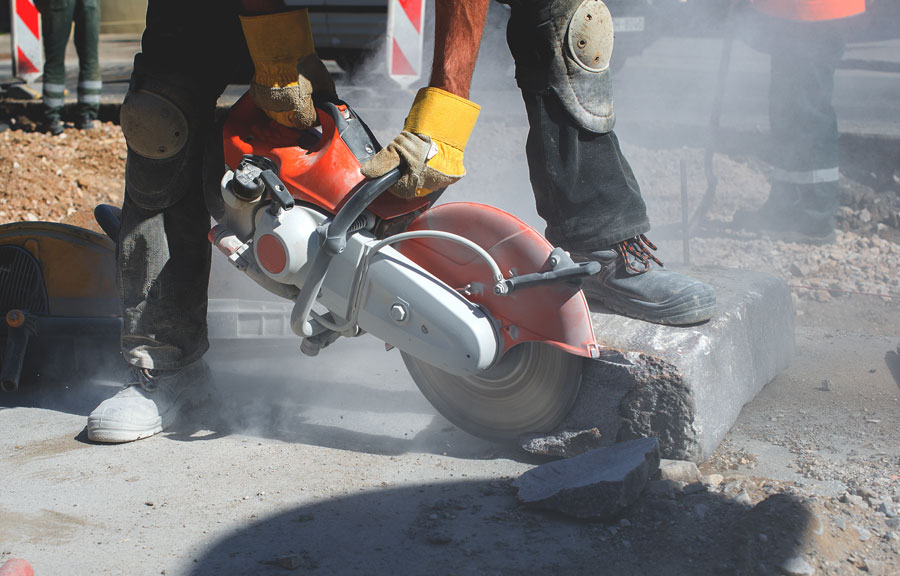
Routine roadway and infrastructure maintenance activities also play a role. Pavement striping, pothole repairs, and asphalt work can introduce materials such as solvents, paints, and petroleum-based products. Without proper containment, these substances can be washed off during the next rain event. Even something as simple as saw-cutting concrete can produce slurry that, if not contained, flows into nearby catch basins and increases turbidity and pH levels in receiving waters.
Landscaping and grounds maintenance present another set of challenges. Mowing operations can leave grass clippings on paved surfaces, where they are quickly washed into storm drains. These clippings decompose, releasing nutrients that contribute to algal blooms in downstream waters. Fertilizer application, if not carefully managed, can result in excess nitrogen and phosphorus entering the system. Pesticides and herbicides, commonly used for vegetation control, can also be transported by runoff, posing risks to aquatic ecosystems.
Solid waste collection and public space maintenance are equally important. Trash that escapes during collection or is left in public areas can be carried by wind or rain into the stormwater system. Sidewalk cleaning and power washing can mobilize oils, detergents, and debris, especially when wash water is allowed to flow directly into storm drains. Similarly, graffiti removal often involves chemicals that, if not properly contained, can enter the drainage network.
Municipal water and sewer operations, while essential, can also contribute pollutants. Water main breaks and hydrant flushing can release large volumes of chlorinated water, which may be harmful to aquatic life if discharged directly. Sewer overflows or cross-connections between sanitary and storm systems can introduce bacteria and organic waste into waterways. Even routine maintenance activities, such as cleaning equipment or dewatering excavations, can generate contaminated water that requires proper handling.
Facilities themselves are often overlooked sources of stormwater pollution. Public works yards, vehicle maintenance shops, and material storage areas can accumulate pollutants such as oils, fuels, metals, and sediment. When these areas lack proper drainage controls, spill prevention measures, or housekeeping practices, stormwater can carry these pollutants off-site. Illicit discharges, whether accidental or intentional, further compound the problem.
The common thread across all these activities is that they are not inherently harmful, but without proper planning and controls, they can become significant sources of pollution. Best management practices, often referred to as BMPs, are designed to interrupt this pathway. These include measures such as covered storage for materials, designated wash areas that drain to sanitary systems, proper training for field crews, regular inspection of facilities, and the use of erosion and sediment controls during construction and maintenance activities.
Equally important is the role of organizational awareness. Municipal leaders set priorities, allocate resources, and shape culture. When stormwater protection is integrated into standard operating procedures, rather than treated as an afterthought or regulatory burden, the results are far more effective. Training programs, clear policies, and accountability mechanisms ensure that staff understand not just what to do, but why it matters.
Ultimately, municipalities have a unique opportunity to lead by example. By recognizing that their own operations can be sources of pollution, and by proactively addressing those sources, they can significantly improve water quality within their communities. The same activities that keep roads safe, parks attractive, and infrastructure functioning can also be conducted in ways that protect and enhance the watershed, turning everyday operations into part of the solution rather than part of the problem.