

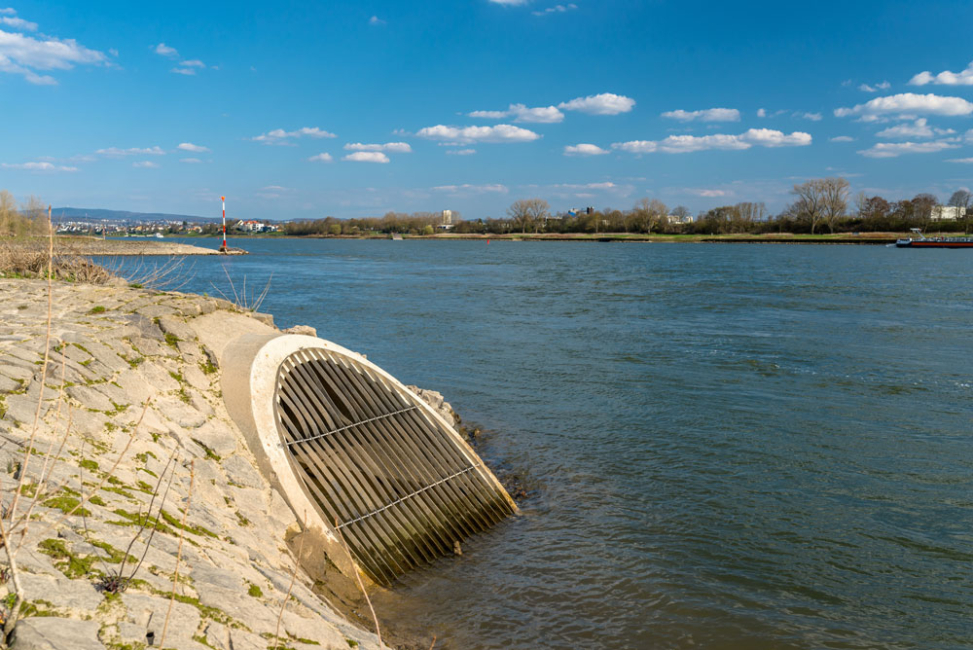
Managing outfalls as assets rather than afterthoughts represents a fundamental shift in how municipalities approach stormwater infrastructure. For many communities, outfalls are only addressed when something goes wrong, such as erosion, structural failure, or a visible discharge issue. By that point, the damage is often more extensive, more expensive to repair, and more likely to attract regulatory attention. Treating outfalls as critical assets within an overall asset management framework changes this dynamic entirely, allowing municipalities to move from reactive fixes to proactive stewardship.
Outfalls serve as the final point of discharge in a drainage system, which means they experience the cumulative effects of everything upstream. Sediment, debris, fluctuating flows, and storm intensity all converge at these locations. Despite this, they are often missing from asset inventories or recorded with minimal detail. Without a complete and accurate inventory of outfalls, municipalities are essentially blind to one of the most vulnerable and environmentally sensitive components of their system.
A key step in managing outfalls as assets is developing a comprehensive inventory. This includes not only location data, but also attributes such as pipe size, material, receiving waterbody, structural condition, and evidence of erosion or scour. Photographs and standardized condition ratings add another layer of value, allowing staff to track changes over time. When outfalls are documented with the same level of detail as pipes, catch basins, and other infrastructure, they can be evaluated and prioritized in a meaningful way.
Condition assessment is where many municipalities begin to see the benefits of treating outfalls as assets. Rather than waiting for visible failure, routine inspections can identify early warning signs such as minor erosion, displaced riprap, joint separation, or undercutting at the outlet. These issues are often inexpensive to address when caught early but can escalate quickly if ignored. A structured scoring system helps translate field observations into actionable priorities, ensuring that limited resources are directed where they are most needed.
Another important consideration is the environmental impact of outfalls. Because they discharge directly into streams, wetlands, or lakes, poorly maintained outfalls can contribute to sedimentation, bank instability, and water quality degradation. In regions with sensitive waterbodies, this can lead to compliance challenges under stormwater regulations. By actively managing outfalls, municipalities can reduce these risks, demonstrate due diligence, and support broader environmental protection goals.
Hydraulic performance should also be part of the conversation. An outfall that appears structurally sound may still be contributing to downstream issues if it concentrates flow in a way that accelerates erosion. Evaluating how water leaves the system, including velocity, direction, and energy dissipation, can reveal opportunities for improvement. Simple measures such as adding or repairing riprap, installing level spreaders, or reshaping channels can significantly reduce long-term damage.
Integrating outfalls into capital planning is another hallmark of asset-based management. When outfalls are tracked, scored, and monitored over time, they can be included in capital improvement plans alongside other infrastructure. This allows municipalities to bundle projects, coordinate repairs with upstream work, and avoid the inefficiencies of emergency response. It also creates a defensible basis for funding requests, since decisions are supported by documented condition data.
Technology plays a supporting role in this shift. GIS-based asset management systems make it easier to map, inspect, and analyze outfalls in the context of the broader network. Mobile data collection tools allow field crews to capture consistent information in real time, while dashboards and reporting tools help managers identify trends and prioritize actions. However, the success of these tools depends on the quality of the underlying data, which reinforces the importance of proper training and standardized inspection practices.
Ultimately, managing outfalls as assets is about recognizing their importance within the drainage system. They are not just endpoints, they are high-risk, high-impact locations that influence both infrastructure performance and environmental outcomes. Municipalities that elevate outfalls within their asset management programs tend to experience fewer failures, lower long-term costs, and stronger regulatory standing.
The shift does not require a complete overhaul of existing programs. It begins with acknowledging that outfalls deserve the same attention as any other asset, then taking practical steps to inventory, inspect, and prioritize them. Over time, this approach transforms outfalls from overlooked liabilities into well-managed components of a resilient and sustainable stormwater system.