

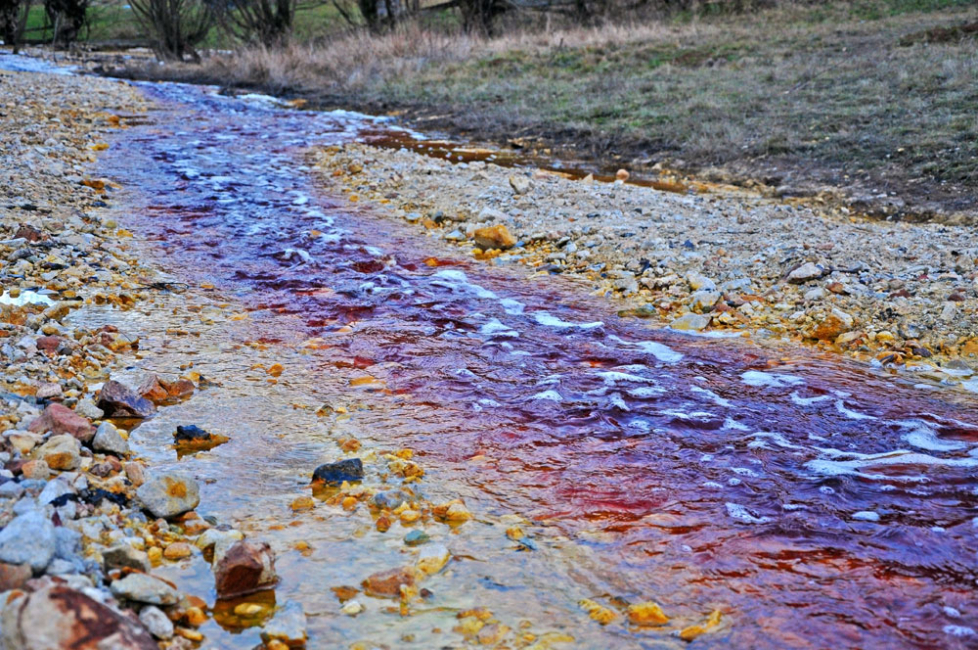
Heavy metals are a group of metallic elements that have relatively high atomic weight and density and are toxic or harmful to organisms at low concentrations. In stormwater management, the term typically refers to metals such as lead, copper, zinc, cadmium, chromium, and mercury that are commonly found as pollutants in urban runoff.
These metals enter stormwater systems from a variety of sources, including vehicle-related wear and tear such as brake pads and tires, building materials like roofing and galvanized surfaces, industrial activities, atmospheric deposition, and historical contamination in soils. Once mobilized by precipitation, heavy metals can be transported in runoff either in dissolved form or attached to suspended solids and sediment particles.
Heavy metals are of particular concern because they do not degrade over time and can persist in the environment, accumulating in soils, sediments, and aquatic organisms. Their behavior in stormwater systems is influenced by factors such as pH, organic matter content, and the presence of other chemicals, which affect whether the metals remain dissolved or bind to particles.
In stormwater management, controlling heavy metals involves reducing their sources and promoting treatment processes that remove them from runoff. Best management practices such as filtration, adsorption, sedimentation, and biological uptake can help capture heavy metals before they reach receiving waters. Because they are often associated with fine particles, practices that effectively remove suspended solids are also important for reducing heavy metal concentrations.
Heavy metals are a key category of pollutants in stormwater due to their toxicity, persistence, and tendency to accumulate in aquatic environments, making their management an important aspect of protecting water quality.