

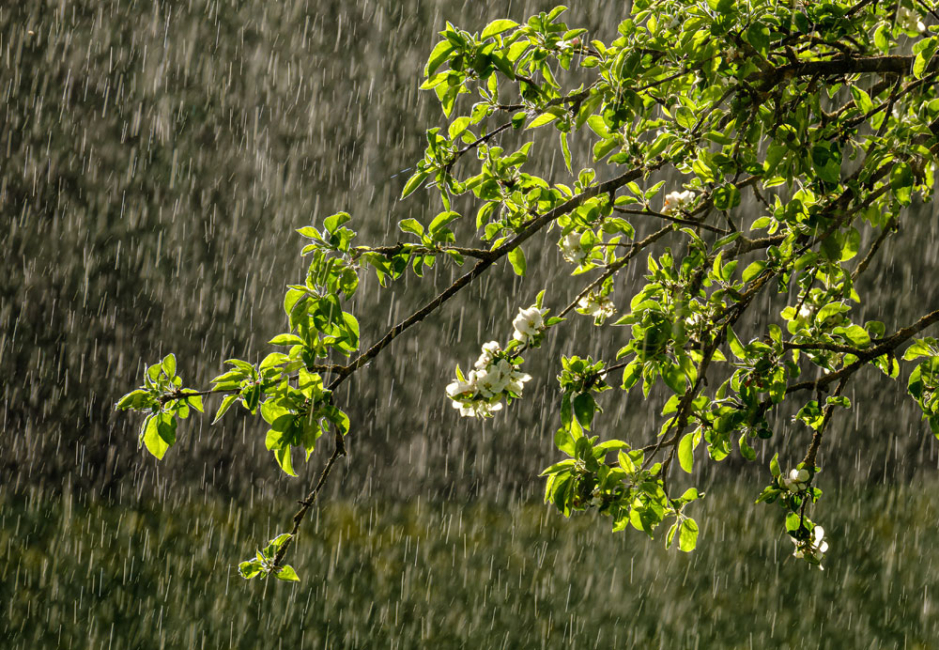
Precipitation is any form of water that falls from the atmosphere to the Earth’s surface, including liquid forms such as rain and drizzle, as well as frozen forms such as snow, sleet, and hail. In stormwater management, precipitation is the primary source of water input to a drainage system and the driving force behind runoff generation, infiltration, and the overall hydrologic response of a watershed.
Precipitation occurs when atmospheric moisture condenses into droplets or ice crystals that grow large enough to overcome air resistance and fall to the ground. The characteristics of precipitation, including its intensity, duration, frequency, and spatial distribution, are critical factors in hydrologic analysis and stormwater system design. High-intensity, short-duration storms tend to produce rapid runoff and peak flows, especially in urban areas with large amounts of impervious surface, while lower-intensity, longer-duration events may allow for greater infiltration and groundwater recharge.
In stormwater management, precipitation data is used to estimate runoff volumes, peak discharge rates, and pollutant transport. Design storms, which are hypothetical precipitation events defined by statistical probability, are commonly used to size infrastructure such as culverts, detention basins, and conveyance systems. The interaction between precipitation and site conditions, including soil type, land cover, and antecedent moisture, determines how much of the precipitation becomes runoff versus how much infiltrates or is stored.
Precipitation also influences water quality, as it mobilizes pollutants accumulated on surfaces and transports them into stormwater systems and receiving waters. Understanding precipitation patterns is therefore essential for effective stormwater planning, infrastructure design, and environmental protection.