

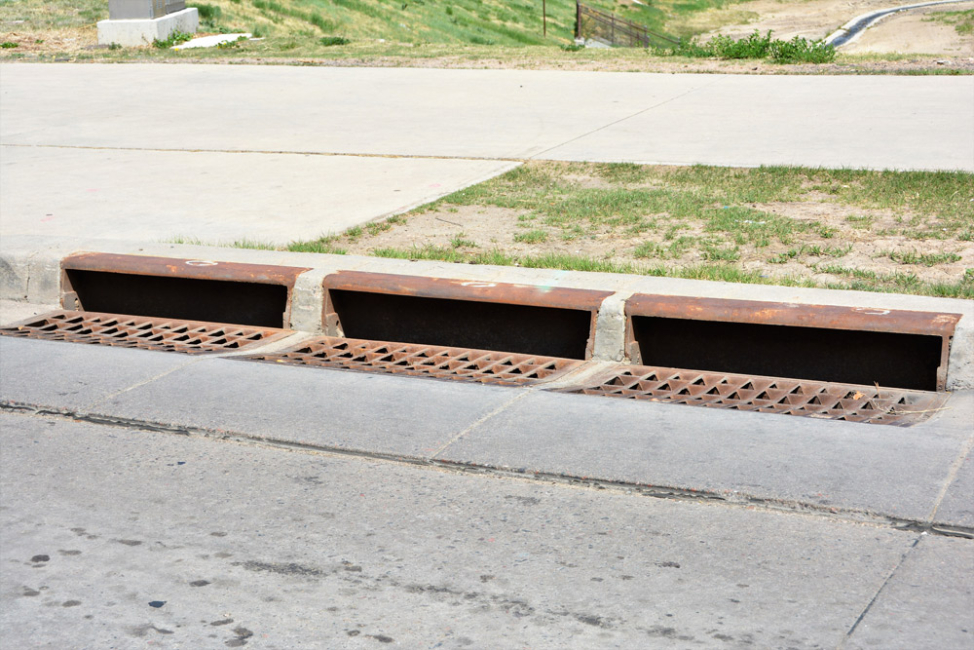
A drainage system is the integrated network of natural features and engineered components that collect, convey, store, control, and discharge water from land surfaces or subsurface areas to prevent unwanted accumulation and manage the movement of water within a watershed or developed area. The term applies broadly to all forms of water movement, including stormwater runoff, groundwater, and, in some cases, combined flows that may include wastewater.
Drainage systems include both natural elements, such as streams, rivers, floodplains, wetlands, and topographic depressions, and constructed infrastructure, such as ditches, swales, culverts, storm drains, pipes, channels, underdrains, and outlet structures. Together, these components function as a continuous system that routes water from where it is generated or collected to a point of discharge, such as a receiving waterbody or infiltration area.
From a functional standpoint, a drainage system serves several key purposes. It removes excess surface water to prevent flooding and ponding, lowers groundwater levels to protect soil stability and infrastructure, and controls the timing and rate of water movement to reduce erosion and downstream impacts. In developed environments, drainage systems are essential for maintaining roadway integrity, protecting buildings and utilities, and ensuring safe and usable land conditions.
Hydraulically, the performance of a drainage system depends on factors such as conveyance capacity, storage availability, slope, roughness, and system connectivity. If any component is undersized, obstructed, or fails, the system’s ability to move water is compromised, potentially resulting in flooding or localized drainage problems. Over time, sediment deposition, debris accumulation, vegetation growth, and structural deterioration can reduce system effectiveness, making maintenance a critical aspect of drainage system management.
In addition to quantity control, modern drainage systems often incorporate water quality considerations, particularly where they overlap with stormwater management practices. Features such as detention basins, infiltration systems, and vegetated channels may be included to reduce pollutant loads, promote groundwater recharge, and better replicate natural hydrologic processes.
Simply stated, a drainage system is a comprehensive framework for managing the movement and disposition of water across and beneath the land surface, integrating both natural and engineered elements to protect infrastructure, support land use, and maintain hydrologic balance.