

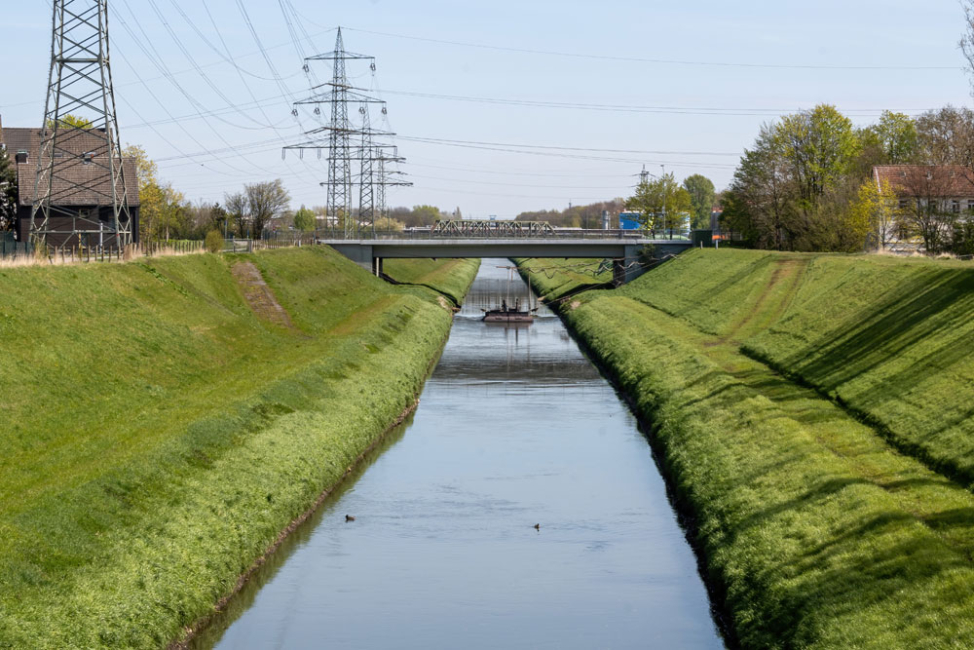
A channel, in the context of stormwater management, is a defined pathway that conveys surface water, typically under open-channel flow conditions, from one location to another. Channels may be natural, such as streams and rivers, or engineered, such as roadside ditches, swales, or constructed drainageways. Their primary function is to safely transport stormwater runoff while minimizing flooding, erosion, and damage to surrounding infrastructure and the environment.
Channels are characterized by several key physical components. The bed is the bottom surface where water flows, while the banks are the sides that contain the flow. In natural systems, channels may also include a floodplain, which is an adjacent area that temporarily stores water during higher flow events. The shape of a channel can vary widely, including trapezoidal, rectangular, parabolic, or irregular forms depending on whether it is engineered or naturally formed.
Flow within a channel is typically governed by gravity and is described as open-channel flow, meaning the water surface is exposed to the atmosphere. The capacity and behavior of flow in a channel depend on factors such as cross-sectional geometry, slope, surface roughness, and flow depth. These factors influence velocity, discharge, and the potential for erosion or sediment deposition.
Channels play a critical role in stormwater systems by conveying runoff from upstream areas to downstream receiving waters or stormwater control facilities. However, poorly designed or improperly stabilized channels can lead to erosion, sediment transport, and degradation of downstream water bodies. High-velocity flows, especially in urbanized areas with increased impervious cover, can cause channel incision, bank failure, and loss of habitat.
To address these concerns, engineered channels often incorporate erosion control and stabilization measures, such as vegetation (grass-lined channels), riprap, geotextiles, or concrete linings. Vegetated channels, in particular, can provide both conveyance and water quality benefits by slowing flow, promoting infiltration, and filtering pollutants.
Channels are also integral to the concept of major drainage systems, which convey larger storm events that exceed the capacity of enclosed pipe systems. In this role, they provide a controlled and predictable pathway for excess runoff, reducing the risk of uncontrolled flooding.
A channel is a natural or constructed open pathway for conveying stormwater runoff. It is a fundamental component of drainage systems, influencing both the hydraulic performance and environmental impact of stormwater flow within a watershed.