

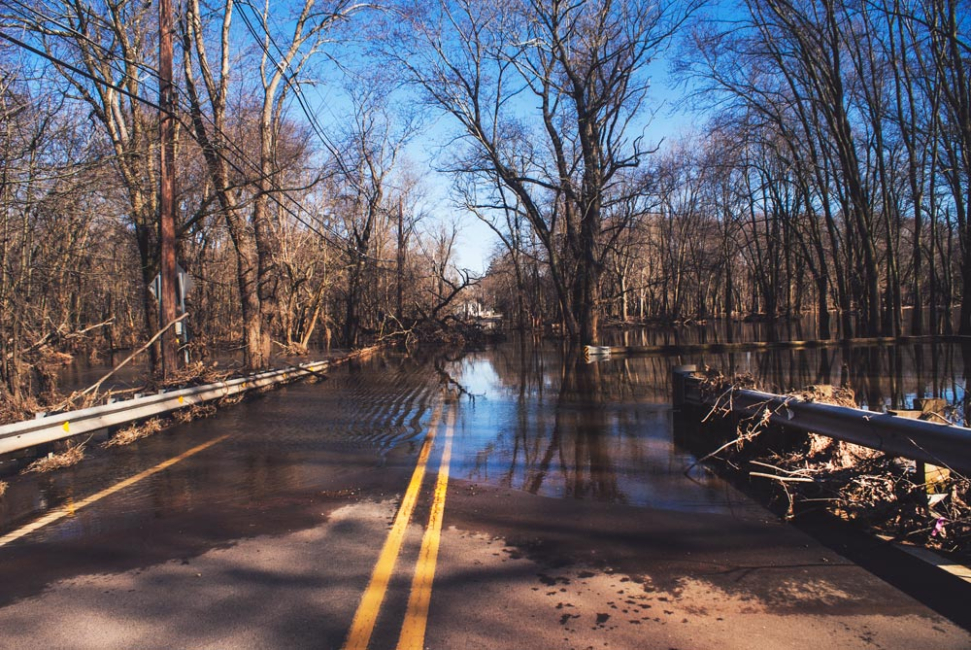
Stormwater management is the planning, design, implementation, and maintenance of systems and practices used to control the quantity, quality, timing, and distribution of runoff generated from precipitation events, including rainfall and snowmelt. Its primary purpose is to mitigate the adverse impacts of altered hydrology caused by land development, particularly the increase in impervious surfaces such as roads, rooftops, and parking areas that prevent natural infiltration.
In a natural, undeveloped watershed, precipitation is largely absorbed into the ground, taken up by vegetation, or slowly conveyed to surface waters. Development disrupts this balance by increasing runoff volume and velocity, reducing infiltration, and concentrating flows into drainage systems. Stormwater management seeks to replicate, as closely as practicable, the natural hydrologic cycle by reducing peak flows, promoting infiltration and groundwater recharge, and maintaining more natural flow regimes.
A central objective of stormwater management is flood control, achieved by attenuating peak discharge rates and providing temporary storage of runoff through systems such as detention and retention basins, underground storage structures, and open channels. Closely related is the goal of erosion control, which involves stabilizing conveyance systems and reducing flow velocities to prevent the degradation of stream channels, culverts, and outfalls.
Stormwater management also addresses water quality protection by reducing pollutants carried in runoff, including sediment, nutrients, hydrocarbons, metals, trash, and dissolved constituents such as chlorides. This is typically accomplished through the use of structural and non-structural Best Management Practices (BMPs), including practices such as bioswales, infiltration basins, filter strips, constructed wetlands, street sweeping, and source control measures.
Another critical component is groundwater recharge, which involves facilitating the infiltration of stormwater into the subsurface to replenish aquifers and sustain baseflow in streams. This is particularly important in maintaining ecological health and water supply in many regions.
Modern stormwater management increasingly emphasizes low impact development (LID) and green infrastructure, which integrate stormwater controls directly into the built environment. These approaches aim to manage runoff at its source through practices such as permeable pavements, rain gardens, green roofs, and decentralized infiltration systems.
Stormwater management systems include both engineered infrastructure, such as pipes, culverts, catch basins, and treatment facilities, and natural or nature-based systems, such as vegetated channels and restored floodplains. Effective management requires ongoing inspection, maintenance, regulatory compliance, and adaptation to changing conditions, including climate variability and land use changes.
Overall, stormwater management is a multidisciplinary field that integrates principles of hydrology, hydraulics, environmental science, engineering, and land use planning to protect public safety, infrastructure, and the health of receiving water bodies.