Where Stormwater Strategy Meets Practical Guidance

Gamifying MS4 Refresher Courses to Boost Retention

Gamifying MS4 Refresher Courses to Boost Retention

Why We Need a New Approach Annual (or even quarterly) MS4 refresher courses are mandatory under the NPDES Phase II program, yet completion logs and pop-quiz scores often reveal that municipal crews quickly forget key practices such as spill-response or best management practice (BMP) housekeeping. En…

continue
From Paper Plans to GIS: Digitizing Historic Drainage Records

From Paper Plans to GIS: Digitizing Historic Drainage Records

Every municipality owns drawers, or entire vaults, of ageing drainage “plan sets”: linen originals from the 1930s, blueprint mylars from the 1960s, contractor mark-ups from a 1998 sewer separation project, and everything in-between. Transforming those static sheets into a living GIS data…

continue
Good, Better, Best: Levels of Documentation That Satisfy Auditors

Good, Better, Best: Levels of Documentation That Satisfy Auditors

Why this matters Every MS4 audit, whether it’s a quick screening or a multi-day deep dive, starts with one question: “Show me the records.” Communities that can put the right document on the table (or screen) in seconds walk away with clean reports and lower stress; those that scra…

continue
Keeping Pace with the 2025 MS4 Permit Updates

Keeping Pace with the 2025 MS4 Permit Updates

What Changed & Why It Matters for Your Stormwater Program Why new MS4 rules landed in 2025 EPA’s 2015 NPDES Electronic Reporting Rule (the “e-Rule”) postponed many Phase II requirements to give states time to build electronic portals. That grace period ends 21 December 2025, so…

continue
Stormwater Operations Training for DPW Staff: Essential Skills for Modern Compliance and Performance

Stormwater Operations Training for DPW Staff: Essential Skills for Modern Compliance and Performance

As regulatory requirements and infrastructure demands continue to evolve, stormwater operations training for Department of Public Works (DPW) and Highway Department staff has never been more critical. Effective training ensures that personnel are prepared to safely and efficiently manage stormwater …

continue
Inspecting Catch Basins and Culverts: A Critical Component of MS4 Compliance

Inspecting Catch Basins and Culverts: A Critical Component of MS4 Compliance

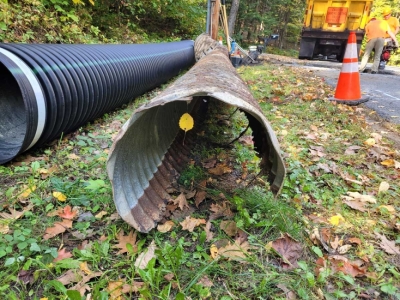
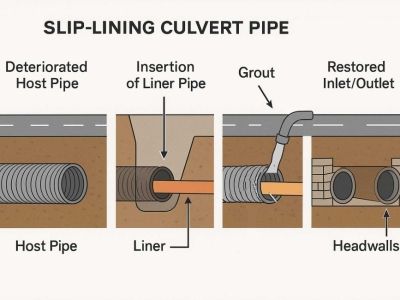
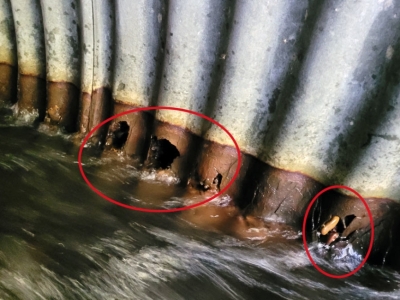
Proper inspection and maintenance of stormwater infrastructure, especially catch basins and culverts, is vital to ensure effective drainage performance, prevent flooding, and comply with Municipal Separate Storm Sewer System (MS4) regulations. These structures are often the first and most visible co…

continue
How to Create a Drainage System Map

How to Create a Drainage System Map

Mapping a drainage system is a critical task for municipalities aiming to improve stormwater management, identify illicit discharges, support maintenance planning, and ensure regulatory compliance (e.g., MS4). A well-structured drainage system map reveals how stormwater flows through catch basins, p…

continue
Unlocking Funding: Grants for Stormwater Infrastructure Improvement

Unlocking Funding: Grants for Stormwater Infrastructure Improvement

Upgrading stormwater infrastructure is a pressing priority for municipalities across the country, yet it often comes with a hefty price tag. Whether addressing outdated culverts, installing green infrastructure, or improving data management and compliance under an MS4 permit, funding is frequently t…

continue
Understanding Common Pollutants in Runoff

Understanding Common Pollutants in Runoff

Stormwater runoff is one of the leading causes of water pollution in the United States. As rainfall or snowmelt flows over impervious surfaces such as roads, parking lots, and rooftops, it collects a wide array of pollutants that are carried into local waterways through storm drain systems. Understa…

continue
How to Identify Illicit Stormwater Discharges

How to Identify Illicit Stormwater Discharges

Protecting your community’s waterways starts with knowing what doesn’t belong. Illicit discharges are one of the most persistent threats to stormwater systems and local water quality. These unauthorized flows, often containing pollutants like oils, detergents, sewage, or industrial waste…

continue
How to Map Municipal Drainage Systems: A Step-by-Step Guide for Local Governments

How to Map Municipal Drainage Systems: A Step-by-Step Guide for Local Governments

Municipal drainage systems are often out of sight and, unfortunately, out of mind. Yet, these underground networks are vital to public safety, environmental protection, and infrastructure longevity. Accurate mapping of stormwater infrastructure is not only a best practice - it’s an operational…

continue
A Brief History of Soil and Water Conservation Districts

A Brief History of Soil and Water Conservation Districts

Severe dust storms sweeping across the Great Plains during the early 1930s highlighted how badly America’s soils had been over-worked, and they spurred the first coordinated federal response. Congress passed the Soil Conservation Act on April 27 1935, establishing the Soil Conservation Service…

continue