Where Stormwater Strategy Meets Practical Guidance

An open channel swale running through grasslands.

Open Channel Outfalls - Practical Stormwater Treatment for Municipal Systems

Open channel outfalls occupy a unique space in stormwater infrastructure. They are simple in appearance, often nothing more than a vegetated swale or gently graded channel, yet when properly designed they function as treatment systems, flow control measures, and in northern climates even snow manage…

continue
A large dry concrete culvert leading to a swampy stream.

How to Conduct Dry Weather Outfall Screening for Illicit Discharge Detection

Dry weather outfall screening is one of the most effective and defensible tools available to municipal stormwater programs for identifying illicit discharges. Under MS4 permit requirements associated with the Clean Water Act and the NPDES stormwater program, municipalities are required to implement …

continue
A drone shot of Lake George with its surrounding Adirondack mountains and Fort William Henry.

Protecting Lake George from Road Salt Pollution

Lake George in upstate New York is often called the “Queen of American Lakes” because of its exceptional clarity and scenic setting in the Adirondack Mountains. For generations, residents and visitors have prized its transparent waters, vibrant fisheries, and tourism economy. Yet in rece…

continue
A marshy wetland area adjacent to a large lake.

Understanding the Water Cycle’s Role in Watershed Health

Watersheds are essential ecosystems that collect, store, and channel water across the landscape, ultimately feeding into rivers, lakes, and oceans. At the heart of every healthy watershed is the water cycle - the continuous movement of water through the atmosphere, land, and underground reservoirs. …

continue
A stockpile of HDPE culvert pipes and junctions.

Culvert Material Choices and Their Best Uses in Modern Stormwater Systems

Stormwater culverts come in a wide range of materials, and each type carries a unique combination of strength, lifespan, cost, and installation considerations. Choosing the right material is not a one size fits all choice, because every site presents different soil conditions, hydraulic needs, envir…

continue
An old outfall pipe seen with a concrete headwall.

Stormwater Outfall Data Requirements, What Must Be Recorded and Why It Matters

A well managed stormwater program depends on accurate and complete information about every outfall in a community. Outfalls are the final discharge points where stormwater leaves the municipal system and enters a stream, lake, wetland, or other receiving water. Because these locations represent the …

continue
Soil and Water technicians are bagging a dead fish in a polluted waterway.

Responding Safely to Contaminated Sediments and Protecting the Watershed

When crews encounter contaminated sediments during routine work, or when a concerned homeowner reports a suspicious odor or unusual discharge, the situation calls for immediate but steady action. Stormwater systems often collect materials from a wide range of sources, and although many sediments are…

continue

Safe Entry Starts Before the Hatch, A Step by Step Guide to Confined Space Awareness and Structure Assessment

Opening and entering drainage structures requires a practiced, methodical approach that protects workers from unseen dangers and ensures that every step is guided by awareness, communication, and control. These environments can hold toxic gases, low oxygen levels, and unexpected structural weaknesse…

continue
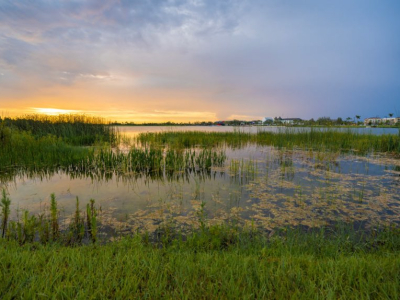
View of the sun setting over a marsh area in constructed wetlands.

What Are Constructed Wetlands?

Constructed wetlands are engineered systems that mimic the natural processes of a real wetland in order to treat stormwater, wastewater, or other polluted runoff. They are intentionally designed and built rather than formed through natural hydrology, but they function in much the same way. Water flo…

continue
Rain water running into a stormwater inlet.

What Every MS4 Must Map, and Why It Matters for Waterway Protection

A complete and accurate stormwater map is one of the most important responsibilities for any community that operates as a Municipal Separate Storm Sewer System, or MS4. These maps are not created merely to satisfy a regulatory checkbox. They protect waterways, support field crews, reduce liability, …

continue
A person holding a paper map.

Free Mapping Tools for Communities with Limited Budgets

Several free or very low cost tools can help communities with limited budgets begin mapping or inventorying their stormwater infrastructure. These tools are not full replacements for a dedicated asset management system, but they can give small towns a head start and help them organize information be…

continue

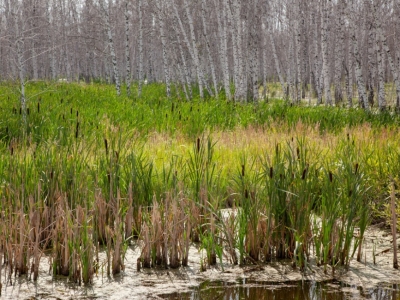
How Wetlands Act as the Kidneys of the Watershed

Wetlands are often described as the kidneys of the watershed because they filter, slow, and transform the water that passes through them in ways that protect downstream ecosystems. This comparison is more than a poetic metaphor. It captures the essential truth that wetlands perform quiet but powerfu…

continue