

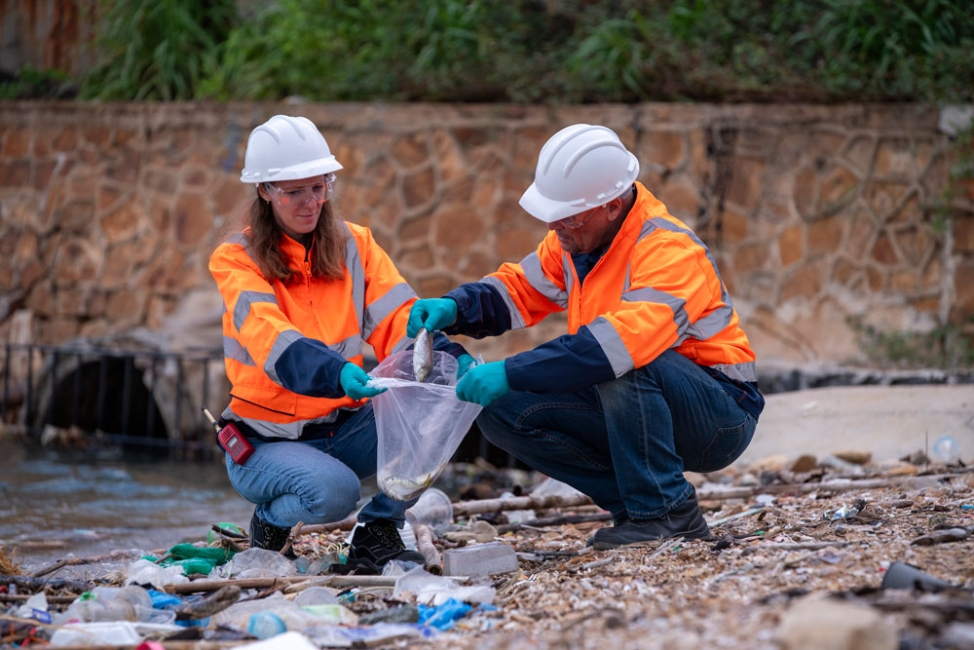
When crews encounter contaminated sediments during routine work, or when a concerned homeowner reports a suspicious odor or unusual discharge, the situation calls for immediate but steady action. Stormwater systems often collect materials from a wide range of sources, and although many sediments are harmless, others can pose health risks or indicate illegal dumping. Because stormwater structures lead directly to local waterways or groundwater, contamination in these environments must be handled carefully. Field personnel need to take the time to assess the scene, determine the likely source of contamination, and notify the proper authorities before any removal work begins.
The first step is to secure the area and prevent any disturbance of the contaminated sediments. Workers should avoid raking, shoveling, or entering the structure until they understand what they are dealing with, since disturbing unknown material could expose them to fumes, bacteria, or chemicals. A visual inspection from a safe position can help crews gauge whether the contamination appears petroleum based, biological, or chemical in nature. If a strong odor is present, if the sediment looks abnormal, or if illicit discharge is suspected, crews should document the situation with notes and photographs. These early records can prove vital for environmental reporting and later cleanup decisions.
If the municipality is part of a Soil and Water Conservation District, the department should notify that office as soon as contamination is confirmed. Soil and Water Conservation Districts specialize in watershed protection, erosion control, and environmental response. They can guide the department in evaluating the potential risks to surface water, groundwater, and nearby properties. Their staff may also advise on sampling, contractor selection, disposal requirements, and any reporting obligations under state or federal regulations. Involving the SWCD early prevents guesswork and ensures the cleanup complies with accepted environmental standards.
A real-life example highlights how quickly a minor complaint can reveal a serious problem. In 2024, a resident of Queensbury, NY contacted the highway department to report a foul odor coming from a stormwater drywell near her home. She described a sewage-like smell that seemed to be getting worse. Upon investigation, crews discovered that a neighbor had illegally emptied an RV black tank into the drywell. Because raw sewage presents a significant health hazard and can migrate through the stormwater system, the situation required professional intervention. Mark De Mers, the then deputy highway superintendent, instructed his vacuum truck operators to put the grate back on the drywell and await further instructions. He immediately called Nick Rowell at the Warren County Soil and Water Conservation District office. Nick advised Mark to contact a septic service company to pump the drywell and dispose of the waste at an approved facility. The incident was documented, the area was sanitized, and the appropriate authorities were notified. Mr. De Mers' gut instinct to not simply have his Vactor crew clean the drywell was correct, and the cost of having the drywell pumped was minimal.
Once the source of contamination is identified and the SWCD has been informed, crews can begin planning for safe removal. Depending on the nature of the waste, specialized contractors may be required. Petroleum contaminated sediments, sewage, and industrial materials cannot simply be removed with standard equipment and discarded with regular debris. The sediments must be handled with proper protective equipment, collected in sealed containers, and transported to facilities licensed to receive those materials. Crews should remain mindful of personal safety throughout the process, using gloves, respiratory protection when necessary, and proper hygiene after leaving the site.
After cleanup, the stormwater structure should be inspected to ensure that no residue remains and that no secondary damage occurred. The department should also communicate with the reporting homeowner, letting them know that the issue was addressed and explaining any follow-up steps. When contamination results from illegal dumping or misuse of public infrastructure, it is appropriate for the municipality to document the violation and pursue any enforcement options available under local law.
Responding to contaminated sediments requires attention, communication, and environmental awareness. By acting cautiously, involving the Soil and Water Conservation District, and using appropriate disposal methods, departments can protect public health and the watershed while demonstrating that pollution concerns are taken seriously.