

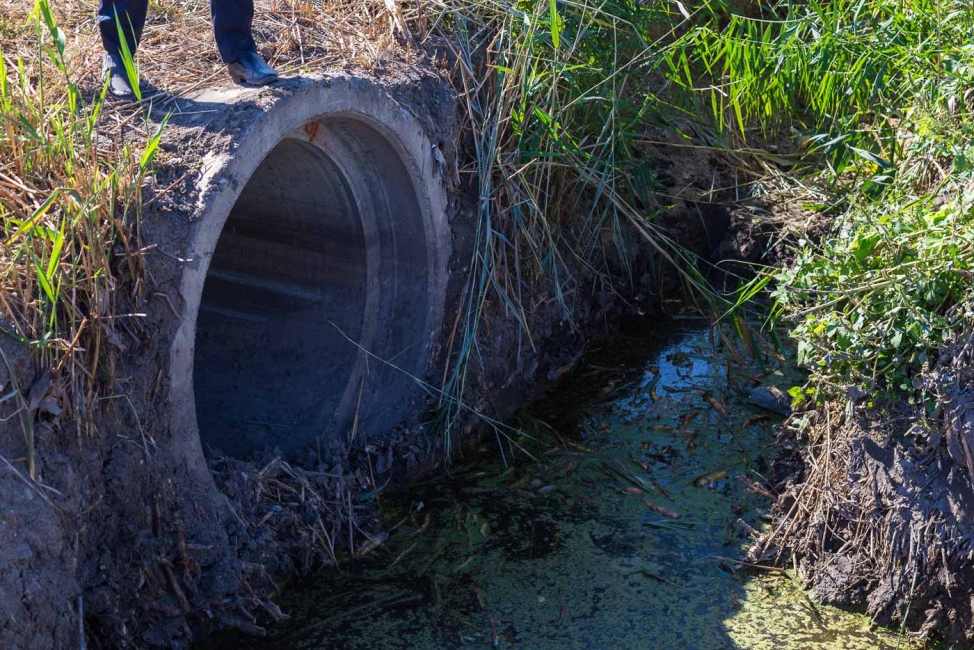
Dry weather outfall screening is one of the most effective and defensible tools available to municipal stormwater programs for identifying illicit discharges. Under MS4 permit requirements associated with the Clean Water Act and the NPDES stormwater program, municipalities are required to implement an Illicit Discharge Detection and Elimination, or IDDE, program. At the core of that program is the routine inspection of stormwater outfalls during periods when no rainfall has occurred.
The logic is simple. Storm sewer systems are designed to convey stormwater runoff generated by precipitation events. During extended dry weather, there should be little to no flow at most outfalls. When water is observed discharging from a storm pipe during dry conditions, it raises an immediate red flag. That discharge may represent an illicit connection, a sanitary cross connection, failing septic infrastructure, or industrial process water entering the storm system.
Proper timing is critical to defensible screening. Most MS4 guidance recommends conducting inspections at least seventy two hours after a measurable rain event, though some permits specify a shorter or longer interval. The key objective is to ensure that any observed flow is not residual stormwater draining from upstream areas.
Field staff should verify rainfall records before scheduling inspections. Local weather station data, municipal rain gauges, or nearby airport precipitation records can be used to confirm that adequate dry weather conditions exist. Documenting this information is important, particularly if enforcement action later depends on the screening results.
Extended dry periods also make subtle discharges more apparent. In the absence of background runoff, even a small trickle can be detected visually and audibly.
Before conducting inspections, municipalities should ensure that their outfall inventory is complete and accurately mapped. Each outfall should have a unique identifier, GPS coordinates, receiving water information, and pipe characteristics documented. Consistency in identification makes follow up investigations and regulatory reporting much easier.
Field teams typically carry basic inspection equipment that includes personal protective equipment, a flashlight, a digital camera or mobile inspection app, field data sheets or tablets, and simple water quality screening kits. Common field test parameters include ammonia, chlorine, surfactants, and pH. Some programs also measure conductivity, temperature, and turbidity.
The first step in dry weather screening is careful observation. Inspectors should note whether flow is present and estimate its relative magnitude, such as a trickle, intermittent drip, or continuous discharge. Even staining on the pipe invert or channel bed can indicate prior flow.
Color and clarity provide important clues. Gray or cloudy water may indicate sanitary wastewater. Bright green or unusual colors could suggest industrial discharge or dye testing activity. Milky sheen may indicate wash water. Oily sheens can suggest petroleum contamination, though inspectors should confirm whether the sheen breaks apart when disturbed, which can help distinguish natural organic films from hydrocarbons.
Odor is another critical indicator. Sewage odors are often unmistakable and strongly suggest a sanitary source. Chlorine odors may indicate potable water line flushing or swimming pool discharge. A detergent smell may point toward commercial laundry operations or vehicle washing.
Floatable materials such as toilet paper, sanitary products, food waste, grease, or suds are strong indicators of illicit connections. Excessive algae growth near an outfall during otherwise dry conditions can also indicate nutrient rich discharges.
All observations should be documented thoroughly with photographs and detailed notes. Consistent documentation supports enforcement and demonstrates due diligence during audits.
Visual evidence alone does not always confirm the source of a discharge. Simple field test kits help narrow down possibilities quickly and cost effectively.
Ammonia testing is particularly useful because elevated ammonia levels are commonly associated with sanitary wastewater. A positive ammonia result during dry weather often warrants further investigation upstream.
Chlorine testing can detect potable water line leaks or illegal pool discharges. Because chlorine dissipates rapidly, a positive reading may indicate a relatively recent or ongoing source.
Surfactant testing helps identify detergents associated with wash water from laundromats, vehicle cleaning, or certain industrial operations. Elevated surfactants, combined with visible suds, strengthen the case for an illicit non stormwater discharge.
pH measurements provide additional context. Sanitary wastewater often has a pH near neutral, while certain industrial discharges may be more acidic or alkaline. Extreme pH values can signal industrial process water entering the system.
These field tests are screening tools rather than definitive laboratory analyses. When results suggest a likely illicit source, municipalities should follow up with upstream investigations, which may include manhole inspections, dye testing, smoke testing, or coordination with health departments.
An effective dry weather screening program does not end with the field visit. Data must be organized, reviewed, and evaluated for trends. Outfalls with recurring dry weather flow should be prioritized for investigation. Clear internal procedures should outline how quickly staff must respond to suspected sanitary discharges or public health threats.
Documentation should include rainfall verification, date and time of inspection, inspector name, weather conditions, flow description, visual observations, field test results, photographs, and recommended actions. Maintaining this information in a centralized database or GIS linked inspection system strengthens regulatory compliance and improves institutional memory.
Dry weather outfall screening is not simply a permit obligation. It is a practical method for protecting receiving waters from bacteria, nutrients, surfactants, and other pollutants that degrade aquatic ecosystems and threaten public health. Early detection prevents small problems from becoming chronic water quality impairments or costly enforcement cases.
For municipal stormwater programs, a well organized screening effort demonstrates proactive management. When auditors or regulators review an MS4 program, consistent inspection records and documented follow up actions show that the community is actively working to identify and eliminate illicit discharges rather than reacting only after complaints arise.
By combining careful timing, thorough visual inspection, and simple field testing, municipalities can build an effective and defensible Illicit Discharge Detection and Elimination program that protects both infrastructure and water quality.