

Illicit Discharge Detection and Elimination (IDDE) is a structured program implemented by operators of municipal separate storm sewer systems (MS4s) to identify, locate, and eliminate unauthorized non-stormwater discharges entering the storm drainage system, with the goal of protecting water quality and ensuring compliance with regulatory requirements such as those established under the National Pollutant Discharge Elimination System.
IDDE programs are a core component of MS4 stormwater management and are specifically designed to address illicit discharges, which can introduce pollutants directly into receiving waters without treatment. These discharges may originate from sources such as sanitary sewer cross-connections, failing septic systems, industrial or commercial activities, or improper dumping of wastes.
An effective IDDE program begins with comprehensive mapping of the storm sewer system, including pipes, manholes, catch basins, and outfalls. This mapping provides the foundation for systematic investigation and tracking of potential pollutant sources. Routine inspections are then conducted, particularly at outfalls, to identify abnormal flows, discoloration, odors, or other indicators of contamination, especially during dry weather when stormwater runoff is not expected.
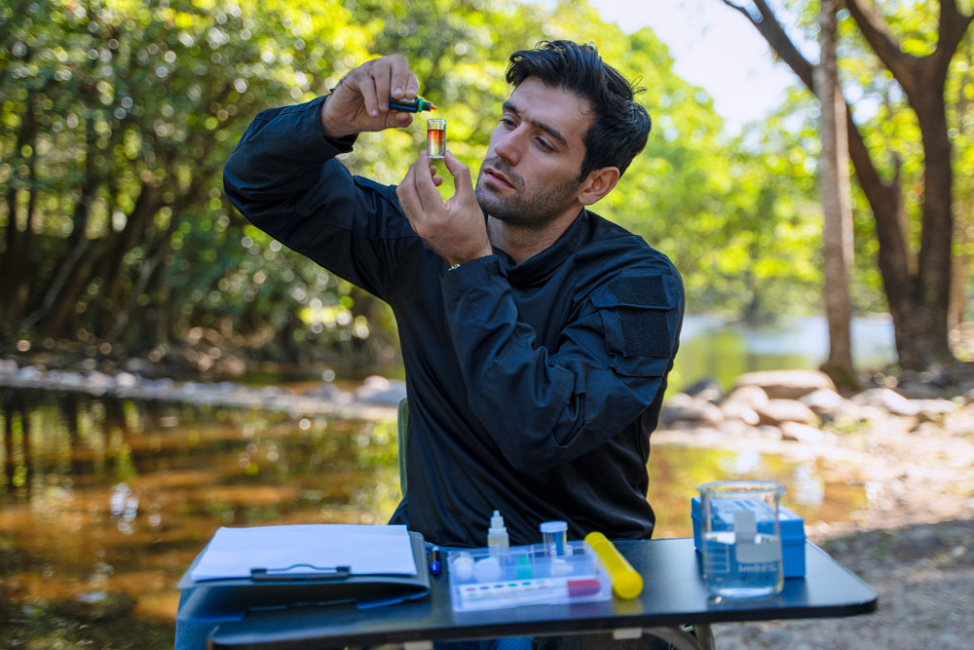
Field screening and monitoring are used to further evaluate suspected discharges. This may include visual assessments, simple field tests for parameters such as pH, temperature, conductivity, and ammonia, and, when necessary, laboratory analysis. If an illicit discharge is identified, investigators trace it upstream through the drainage network to locate its source. This process may involve dye testing, smoke testing, or other diagnostic techniques.
Once the source is identified, corrective actions are taken to eliminate the discharge. This may include removing illegal connections, repairing infrastructure, enforcing local ordinances, or requiring changes in practices by property owners or businesses. Documentation of findings, actions taken, and outcomes is an essential part of the program.
Public education and involvement are also key elements of IDDE. Municipalities often establish reporting systems that allow residents and businesses to report suspected illicit discharges, increasing the effectiveness of detection efforts.
From a stormwater management perspective, IDDE programs are critical because they address pollutants that are not associated with storm events and therefore are not controlled by traditional erosion and sediment control measures. By systematically identifying and eliminating these sources, IDDE programs play a vital role in protecting receiving waters, maintaining regulatory compliance, and improving overall watershed health.