

Extirpation is the local or regional elimination of a species from a specific geographic area where it once naturally occurred, while the species continues to exist elsewhere in the world. In ecology, conservation biology, and natural resource management, extirpation is distinguished from extinction. Extinction occurs when a species disappears globally and no living individuals remain anywhere. Extirpation occurs when a species is lost from a particular watershed, county, state, province, region, or ecosystem but survives in other locations.
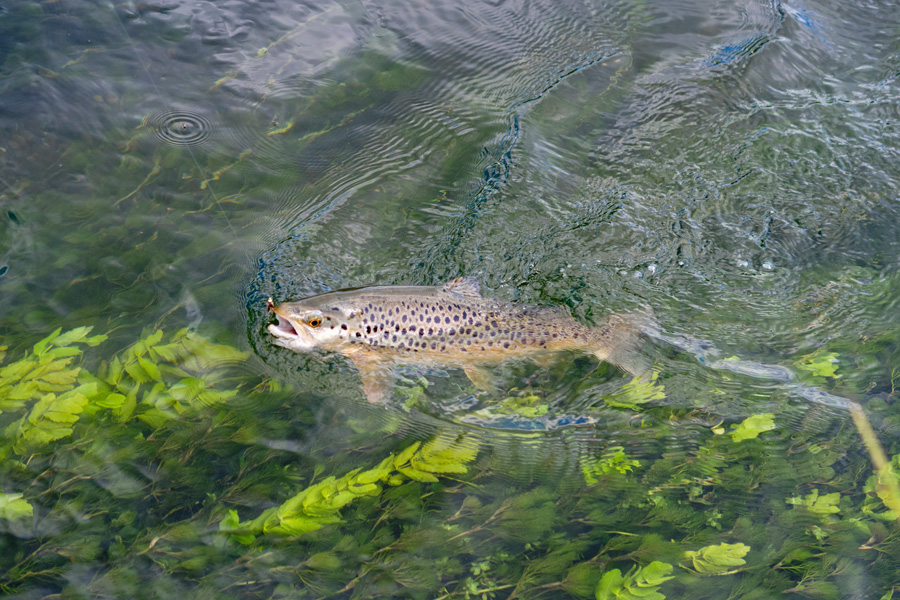
For example, a native fish species may become extirpated from a river system due to habitat degradation, pollution, dams, invasive species, or altered flow conditions, yet still persist in other rivers. Similarly, a plant species may be extirpated from a wetland complex if development, drainage, or changing environmental conditions eliminate the habitat it requires.
In the context of soil, water, and stormwater management, extirpation is often used when discussing the ecological impacts of land-use changes, water quality degradation, habitat fragmentation, invasive species, and hydrologic alterations. Poor stormwater management can contribute to extirpation by increasing pollutant loads, raising water temperatures, altering stream channels, increasing erosion and sedimentation, reducing groundwater recharge, and degrading aquatic and terrestrial habitats. Species with specialized habitat requirements are often the most vulnerable to local extirpation.
Extirpation may be temporary or permanent. If suitable habitat remains or is restored, a species may naturally recolonize an area or be reintroduced through conservation efforts. In other cases, extirpation becomes effectively permanent because the habitat has been irreversibly altered or barriers prevent recolonization.
Common causes of extirpation include habitat loss, habitat fragmentation, pollution, invasive species, overharvesting, disease, climate change, altered hydrology, and major disturbances such as droughts, floods, or wildfires. Conservation programs often track extirpated species because their loss can indicate declining ecosystem health and biodiversity.
In summary, extirpation is the disappearance of a species from a particular local or regional area while the species continues to exist elsewhere, making it a localized form of biological loss rather than global extinction.