

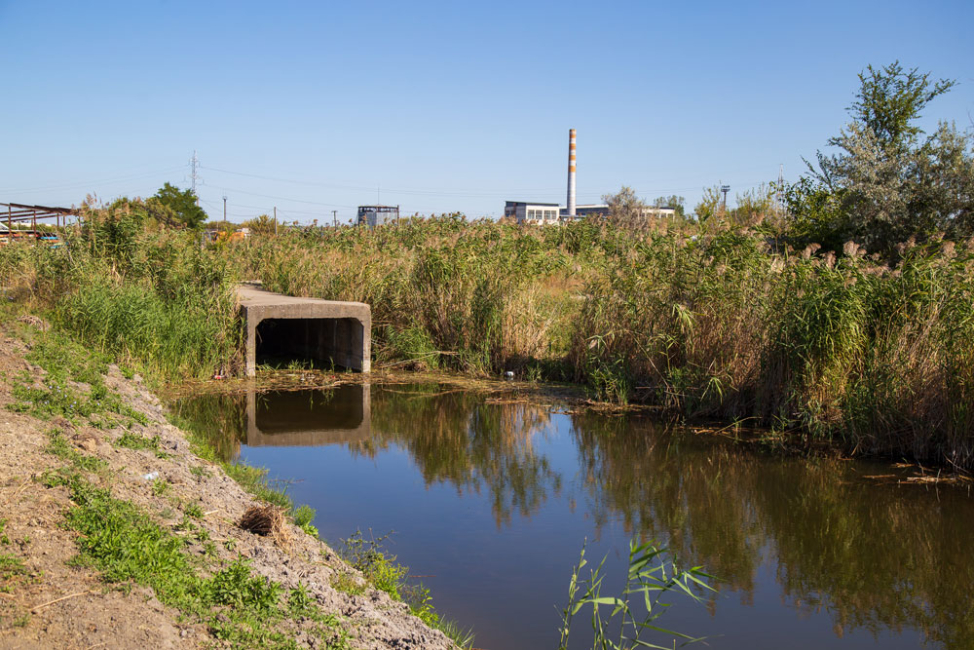
Allowable headwater depth is the maximum upstream water surface elevation or flow depth that is permitted to occur at a hydraulic structure, such as a culvert, bridge, or stormwater conveyance system, during a specified design storm event without causing unacceptable impacts.
In stormwater management and roadway drainage design, this term refers specifically to the depth of water measured at the upstream side of a structure, typically at the inlet, relative to a defined reference point such as the invert of the culvert or the roadway elevation. The “allowable” portion of the term reflects a design constraint established to prevent adverse conditions, including roadway overtopping, flooding of adjacent properties, erosion, or damage to infrastructure.
Allowable headwater depth is determined based on a combination of engineering judgment, regulatory requirements, and site-specific considerations. For example, transportation agencies often set limits to ensure that water does not rise above the edge of pavement or encroach into travel lanes during a given storm frequency, such as the 10-year or 25-year storm. In other contexts, allowable headwater may be restricted to prevent upstream flooding of structures, septic systems, wetlands, or environmentally sensitive areas.
This parameter is a critical component in the hydraulic design and sizing of culverts and other conveyance structures. Engineers use it in conjunction with flow rates, tailwater conditions, inlet and outlet control equations, and energy losses to determine the appropriate size, shape, and configuration of a structure. If calculated headwater depths exceed the allowable limit, the design must be adjusted, often by increasing the structure size, adding additional conveyance capacity, or modifying the upstream or downstream conditions.
In essence, allowable headwater depth represents a key balance between hydraulic efficiency, public safety, environmental protection, and cost, ensuring that stormwater infrastructure performs adequately under design conditions without creating new problems upstream.