

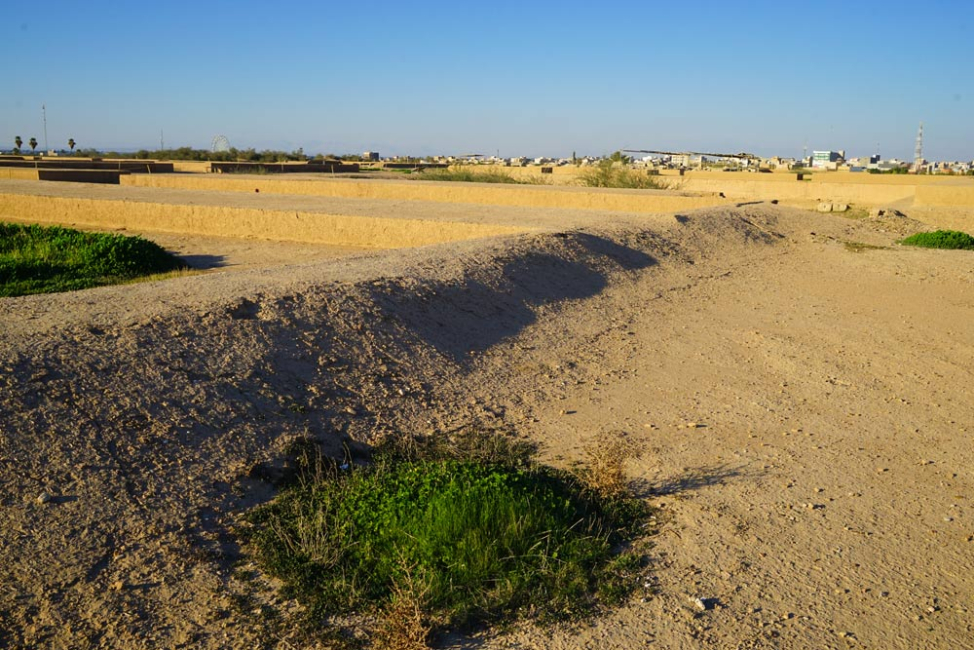
A berm is a constructed, raised ridge or embankment of earth or other material that is used to control, direct, or contain the flow of water. In stormwater management, berms are typically formed from compacted soil and are designed to function as low dams, barriers, or grading features that influence how runoff moves across a site.
Berms are commonly used to impound water in stormwater practices such as detention and retention basins, where they form the perimeter embankment that creates storage volume. They may also be used along roadways, swales, or site boundaries to divert runoff away from sensitive areas, prevent erosion, or guide flow toward designated collection or treatment systems.
The design of a berm involves considerations of height, width, side slopes, compaction, and material type to ensure structural stability and resistance to erosion. Many berms are stabilized with vegetation, such as grass cover, to protect against surface erosion, while others may incorporate armoring materials like riprap where higher velocities are expected. In some cases, berms may include internal drainage features or cores to reduce seepage and maintain integrity.
From a hydraulic standpoint, berms influence both the storage and conveyance of stormwater. They can be used to create temporary ponding, increase infiltration opportunities, or separate flow paths within a site. Improperly designed or maintained berms, however, can fail through overtopping, erosion, or internal instability, potentially leading to downstream flooding or damage.
Overall, a berm is a fundamental grading and control feature in stormwater systems, providing a simple yet effective means of shaping water movement and supporting the performance of drainage infrastructure.