

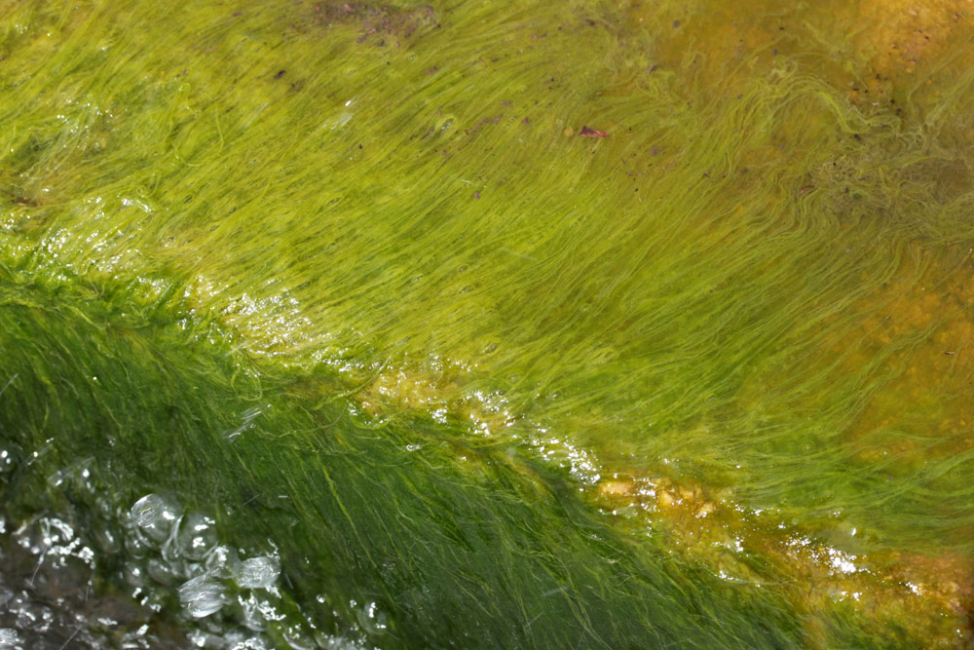
Algae are a diverse group of primarily aquatic, photosynthetic organisms that range in size from microscopic single-celled forms to large, multicellular species such as seaweeds. They are not classified as true plants, but they share the ability to convert sunlight, carbon dioxide, and nutrients into organic matter through photosynthesis. Algae are typically found in freshwater, brackish, and marine environments, and they thrive in conditions where sunlight and nutrients, particularly nitrogen and phosphorus, are readily available.
In the context of stormwater management, algae are most often discussed in relation to water quality and nutrient pollution. When stormwater runoff carries excess nutrients from fertilizers, failing septic systems, organic debris, or urban sources into receiving waters such as ponds, lakes, and slow-moving streams, it can stimulate rapid algal growth known as an algal bloom. These blooms can degrade water quality by reducing clarity, producing unpleasant odors, and in some cases releasing toxins, particularly from cyanobacteria, also referred to as blue-green algae.
Algal blooms can also create secondary environmental impacts. As algae die and decompose, the process consumes dissolved oxygen in the water, which can lead to hypoxic or anoxic conditions that stress or kill fish and other aquatic organisms. This process is closely associated with the broader concept of eutrophication, a condition driven by excessive nutrient enrichment.
From a stormwater infrastructure perspective, algae can accumulate in detention and retention basins, constructed wetlands, and conveyance systems. While some level of algal presence is natural and even beneficial for ecological function, excessive growth is typically an indicator of nutrient loading problems and may signal the need for improved source control, better pretreatment practices, or enhanced maintenance of stormwater facilities.
Overall, algae serve as both a natural component of aquatic ecosystems and an important indicator of water quality conditions within stormwater systems.