Where Stormwater Strategy Meets Practical Guidance

The Fundamentals of Field Inspections for Catch Basins, Culverts, and Outfall.

The Fundamentals of Field Inspections for Catch Basins, Culverts, and Outfall.

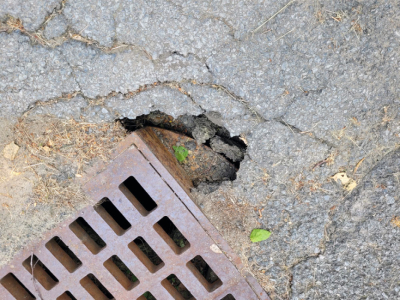
Field inspections of catch basins, manholes, culverts, and outfalls form the foundation of responsible stormwater management. These routine checks give municipalities an ongoing view of the condition of their drainage network and allow crews to identify issues long before they become flooding hazard…

continue
Recognizing Early Signs of Habitat Disruption Around Drainage Structures

Recognizing Early Signs of Habitat Disruption Around Drainage Structures

Habitat disruption around drainage structures is often subtle at first, and many of the earliest signs tend to appear during ordinary field work rather than during formal environmental surveys. Because highway departments and public works crews encounter these locations regularly, they are in the be…

continue
How Harmful Algal Blooms Form, and Why Road Salt Is Making the Problem Worse

How Harmful Algal Blooms Form, and Why Road Salt Is Making the Problem Worse

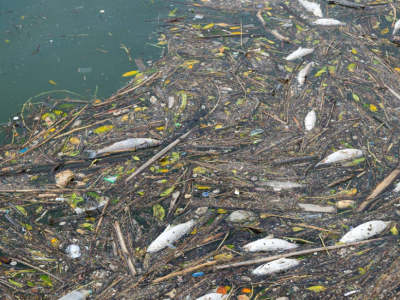
Harmful algal blooms have become one of the most pressing water quality problems in many regions, and their rise has been linked to a complicated blend of ecological, climatic, and human factors. In freshwater systems, these blooms are most often caused by cyanobacteria, commonly known as blue green…

continue
The Life and Death of the Salton Sea

The Life and Death of the Salton Sea

The Salton Sea is one of California’s most unusual and tragic landscapes, a place shaped by accident, transformed by ambition, and ultimately pushed toward collapse by the very forces that sustained it for decades. Its story is a long arc of creation, prosperity, decline, and ongoing struggle,…

continue
Maintaining Stormwater Drainage Assets with Modern Management Software

Maintaining Stormwater Drainage Assets with Modern Management Software

*The screenshots used in this article are from Roadwurx, an asset management software created for road maintenance departments. Managing a town’s stormwater system can quickly become overwhelming when maintenance and inspection records are scattered across clipboards, spreadsheets, or dusty fi…

continue
Five Red Flags in Culvert Inspections (and the Tools to Spot Them Fast)

Five Red Flags in Culvert Inspections (and the Tools to Spot Them Fast)

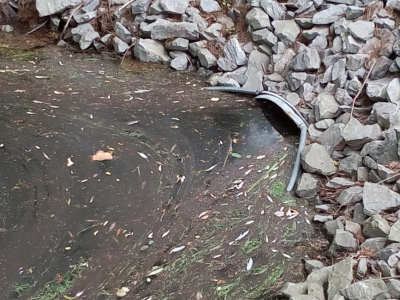
Culverts are among the most overlooked pieces of municipal infrastructure, yet they play a critical role in keeping roads passable and communities safe from flooding. When a culvert fails, the results can be immediate and costly: road washouts, property damage, and emergency closures. That is why re…

continue
Decoding FEMA’s BRIC Program for Small MS4s

Decoding FEMA’s BRIC Program for Small MS4s

For almost five years the Building Resilient Infrastructure and Communities (BRIC) grant program served as FEMA’s flagship source of hazard-mitigation funding. It directed a steady slice of federal disaster-relief dollars toward projects that would lower future losses, and many small Municipal…

continue
Slip-Lining Culvert Pipes

Slip-Lining Culvert Pipes

When a culvert begins to corrode, crack, or separate at the joints, engineers and highway departments often face a choice between excavating the old pipe and installing a new one or rehabilitating the existing structure in place. Slip-lining is the most widely used trenchless rehabilitation techniqu…

continue
Culvert Fundamentals: A Practical Overview for Municipal Stormwater Systems

Culvert Fundamentals: A Practical Overview for Municipal Stormwater Systems

Culverts are enclosed conduits that carry surface water beneath roads, railways, trails, and embankments, allowing drainage and traffic to coexist safely. They form one of the most common, and often most overlooked, structures in municipal stormwater networks. When sized, installed, and maintained c…

continue
Understanding MS4 Expectations for a Complete Stormwater Infrastructure Record

Understanding MS4 Expectations for a Complete Stormwater Infrastructure Record

Municipal Separate Storm Sewer System (MS4) permits rest on a simple idea: you cannot manage what you have not first documented. The Environmental Protection Agency (EPA) defines an MS4 as any publicly owned system of drains, pipes, ditches, or similar conveyances that carries runoff to waters of th…

continue
Protecting and Utilizing Natural Waterways in Stormwater Management Planning

Protecting and Utilizing Natural Waterways in Stormwater Management Planning

Natural streams, creeks, and drainage swales evolved to carry rainfall runoff long before culverts and pipes existed, and they remain one of the most efficient, resilient, and cost-effective elements in any municipal stormwater network. When a community plans for development or retrofit, treating th…

continue
Protecting Special Value and Sensitive Features During Site Development

Protecting Special Value and Sensitive Features During Site Development

Stormwater management succeeds when the landscape itself is considered the first line of defense. Certain parts of that landscape offer outsized benefits or face outsized risks, and thoughtful planning around them is essential. Special Value Features are areas that deliver exceptional stormwater ben…

continue